On Sunday morning I took my coffee out back to look at the beans and found a row of green stubs, each one cut clean at the soil line. Twelve of the twenty-four bush beans I'd sown on May 20 were gone. Not nibbled, not wilted. Gone, as if someone had come through with very small scissors.
By Monday morning the other twelve were gone too.
Figuring out who did it
I teach elementary school, so I made a list of suspects and what I knew about each one:
- Slugs leave slime and ragged holes, and they rarely take a whole seedling in one night. No slime anywhere.
- Cutworms chop seedlings off at the base, but one or two at a time, and the curled gray caterpillar is usually hiding an inch down. I dug around three stubs and found nothing.
- Rabbits make a neat angled cut and leave droppings nearby. No droppings.
- Deer almost never come into the backyard, and they'd have left hoof prints in the soft soil of the bed.
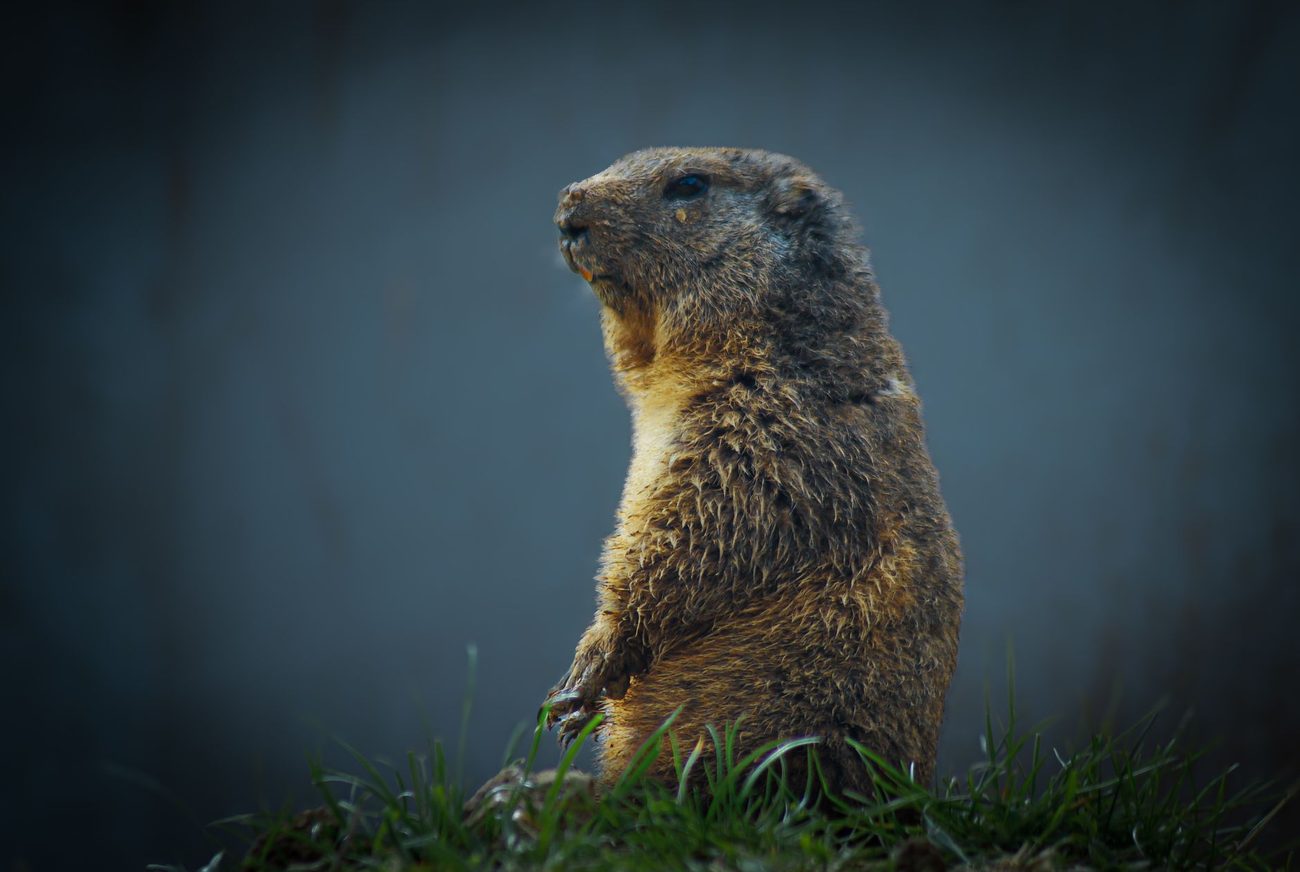
- A groundhog eats the whole plant to the ground, feeds in daylight, often early, and gets in by digging.
The deciding clue was at the back fence. Under the bottom rail of the stockade, near the corner, there was a fresh hole about eight inches across with a fan of loose dirt spread on our side. And at 6:45 on Monday morning, while I was packing my school bag, Mateo yelled from the kitchen window. There he was, sitting up in the west bed between the lettuce and the peppers, chewing calmly on the last of the beans. Gus.
Gus, a brief history
Gus lives under a shed two yards over. We've watched him for a few summers now, waddling across the neighbors' lawns eating clover in the early evening, and Mateo named him back when he still thought a groundhog was a kind of oversized hamster. Until this week, Gus had never shown much interest in our beds. I think the bean seedlings changed his mind. Tender young beans are, from everything I've read, close to groundhog candy.
The beans were in the west bed, in the row where the radishes had just come out. He took a little lettuce for dessert. The peppers right next to them weren't touched at all.
What we tried first
A real fix was going to cost real money, so we tried free and cheap things for a couple of days first.
On Monday evening Nate wedged two cinder blocks into the hole under the fence. On Tuesday morning there was a new hole about a foot to the left, and one block had been shoved halfway aside. Gus is persistent.
I sprayed around the edges of the bed with the Bobbex I bought in April, after the deer ate every tulip on our front walk. It's sold as a deer repellent, so this was a long shot, and it smells so bad that Nate made me leave my shoes on the back steps overnight. Hard to say whether it did anything, since there were no beans left to protect.
I pinned the old row cover down over the lettuce. That at least saved the lettuce.
Mateo suggested leaving a radio on in the yard all night, tuned to a talk station, which I'll admit some gardeners swear by. Nate vetoed it on behalf of the neighbors. We also talked about trapping. It isn't something I'm willing to do, and the rules around trapping and moving wildlife vary from place to place, so that was the shortest conversation of the week.
The real fix
Everything I read pointed the same way: stop the digging. Groundhogs tend to dig straight down right at the base of a fence, so a strip of wire mesh bent into an L, with one side up the fence and the other flat on the ground outside it, stops them where they start. Our back fence is long enough that this means actual money. I priced half-inch hardware cloth, staples and the rest at Home Depot on Tuesday, and it comes to about $140. That's a big bite out of a $450 garden budget, all for a crop that cost maybe $3 in seed.
But beans aren't the only thing Gus would eat, and the tomatoes are in the very next bed. We're doing it this Saturday, and the beans get resown the day after.
Gus, for the record, was back on a neighbor's lawn this evening, eating clover in the last of the light, his coat the gray-brown of a wet paper bag. He looked extremely well fed.