The total is $302. That's what two seasons of keeping a groundhog, the deer, the ticks and a few insects in their place has cost us, from the first quart of deer spray in April 2025 to the insect netting I bought this spring. I added it up this week because the Japanese beetles are back on the zinnias, and I wanted to know whether this fight is cheap or just feels cheap.
The receipts
Here's every pest-related purchase across both years:
- Hardware cloth apron along the back fence (June 2025): $138
- Bobbex deer repellent, one quart each spring: $26 in 2025 and $26 in 2026
- Thermacell tick tubes, one box each May: $40 in 2025 and $40 in 2026
- Bonide neem oil (2026): $14
- Insect netting from Gardener's Supply (2026): $18
That's $204 for 2025 and $98 for 2026. The tick tubes come out of the household budget rather than the garden one, which is why they never show up in my garden totals, but they belong in this tally. The Japanese beetles cost nothing beyond dish soap and ten minutes every morning in July.
What each one bought us
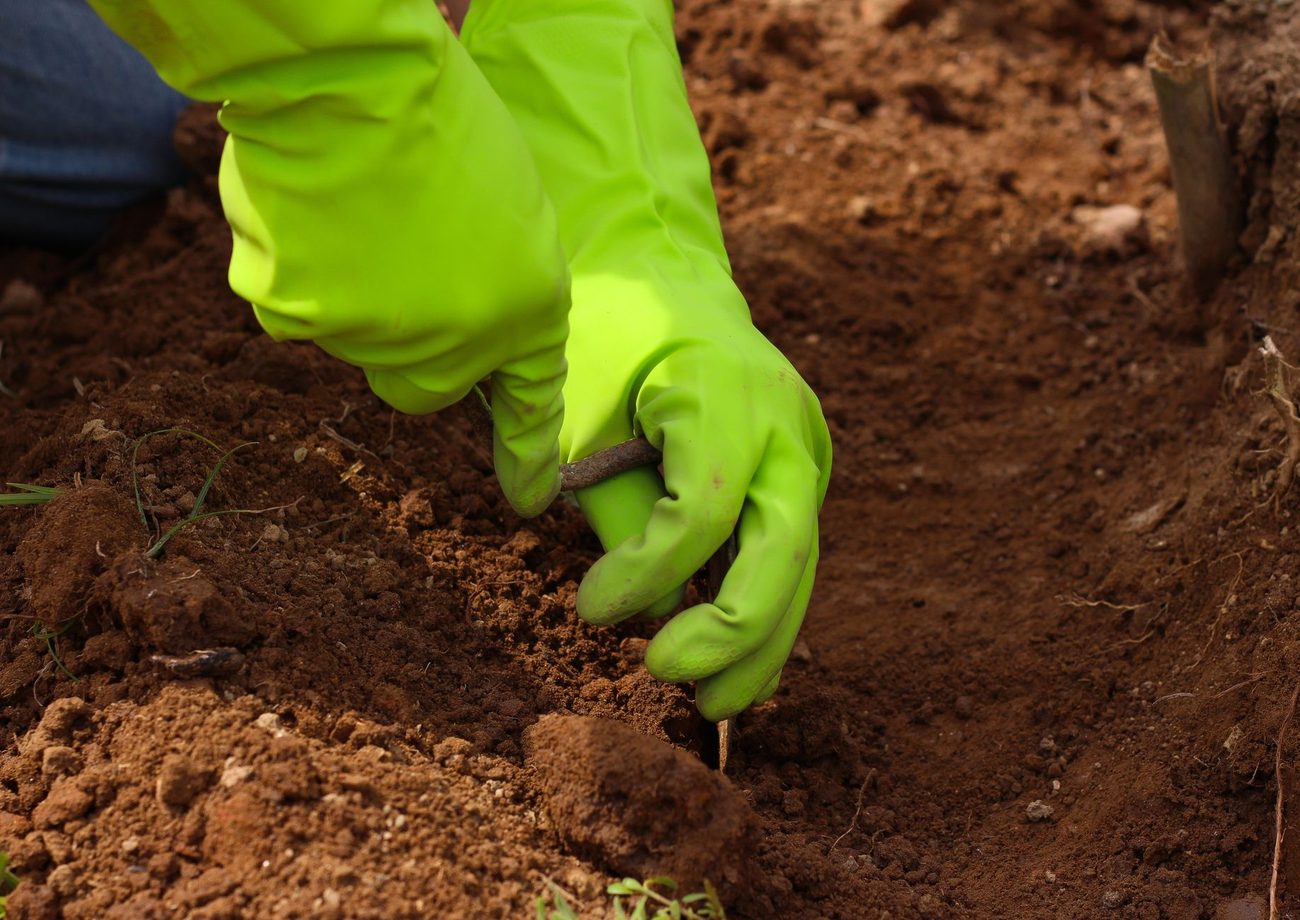
The hardware cloth is the one I'd buy again tomorrow. In June 2025 Gus, the groundhog who lives under a shed two yards over, ate all 24 bush bean seedlings to the soil line in two mornings. Nate and I spent a Saturday bending 40 feet of hardware cloth into an L-shaped apron along the bottom of the back stockade fence, part of it up the fence and part flat on the ground, pinned down with landscape staples. The resown beans survived, and so has everything since. I still see Gus on the neighbors' lawn in the evening, fat and gray-brown against the clover. He hasn't been inside our fence in more than a year. Spread over two seasons, that's $69 a year, and it should last many more.
The deer spray is harder to judge. I bought the first quart right after deer ate all 30 tulips on our front walk in April 2025, which is a little like buying an umbrella after you get home soaked. This year it went on the 15 native plugs in the porch-side border as soon as they were in the ground, and so far nothing has been browsed. I can't prove the spray did that. I can tell you exactly what it smells like, which is rotten eggs with a hint of cloves. The bigger change was planting what deer don't want: the 60 daffodils that replaced the tulips came through spring untouched.
The neem and the netting were small 2026 experiments. The netting covered the young cucumbers and our one butternut vine until they flowered, to keep cucumber beetles and the squash vine borer moth off them early. The neem went on aphids on a couple of the pepper pots on the porch. Both seemed to help, and both are things I looked up in the extension office's fact sheets before using.
The services we didn't buy
In May 2025 two local companies came to quote tick and mosquito spraying for our backyard, which is about 32 by 24 feet. One quoted $79 a visit and the other $95, each for seven visits a season. That's $553 or $665 a year. We said no both years, so on paper we skipped somewhere between $1,106 and $1,330 in service fees.
I don't really count that as savings, because we were never going to pay it. Part of it was cost, and part was the bees working the native strip along the back fence. Instead we do the dull things: tick tubes along the fence line, raking out leaf litter where the lawn meets the stockade fence, garden clothes treated with permethrin, and tick checks for all three of us after time in the beds. None of that is medical guidance. Anything about ticks and your health is a conversation for your doctor, not a garden blog.
What I'd do differently
Every dollar on this list was spent after a loss. The deer spray came after the tulips, and the hardware cloth came after the beans. If I were starting this yard over, I'd put the apron in before the first seedling and plant bulbs the deer ignore from day one. That would have saved a season of beans and thirty tulips, which at the time felt like a lot more than $138.
Two seasons, $302, and a groundhog who has gotten fat on somebody else's clover. I'll take that trade.