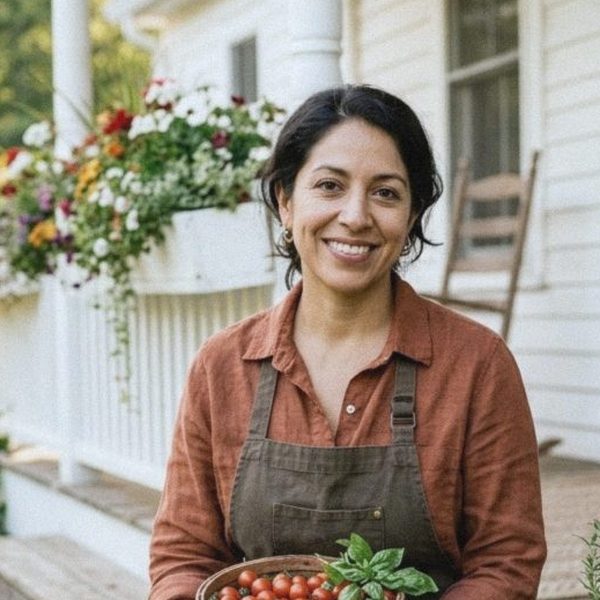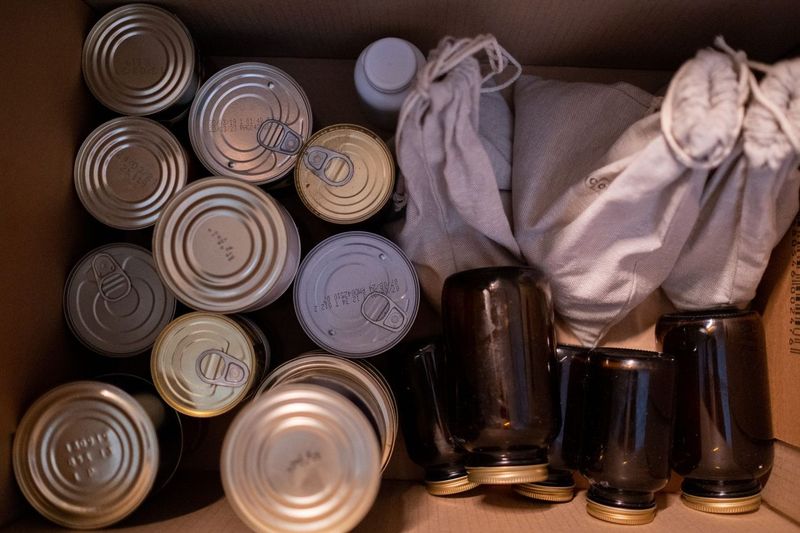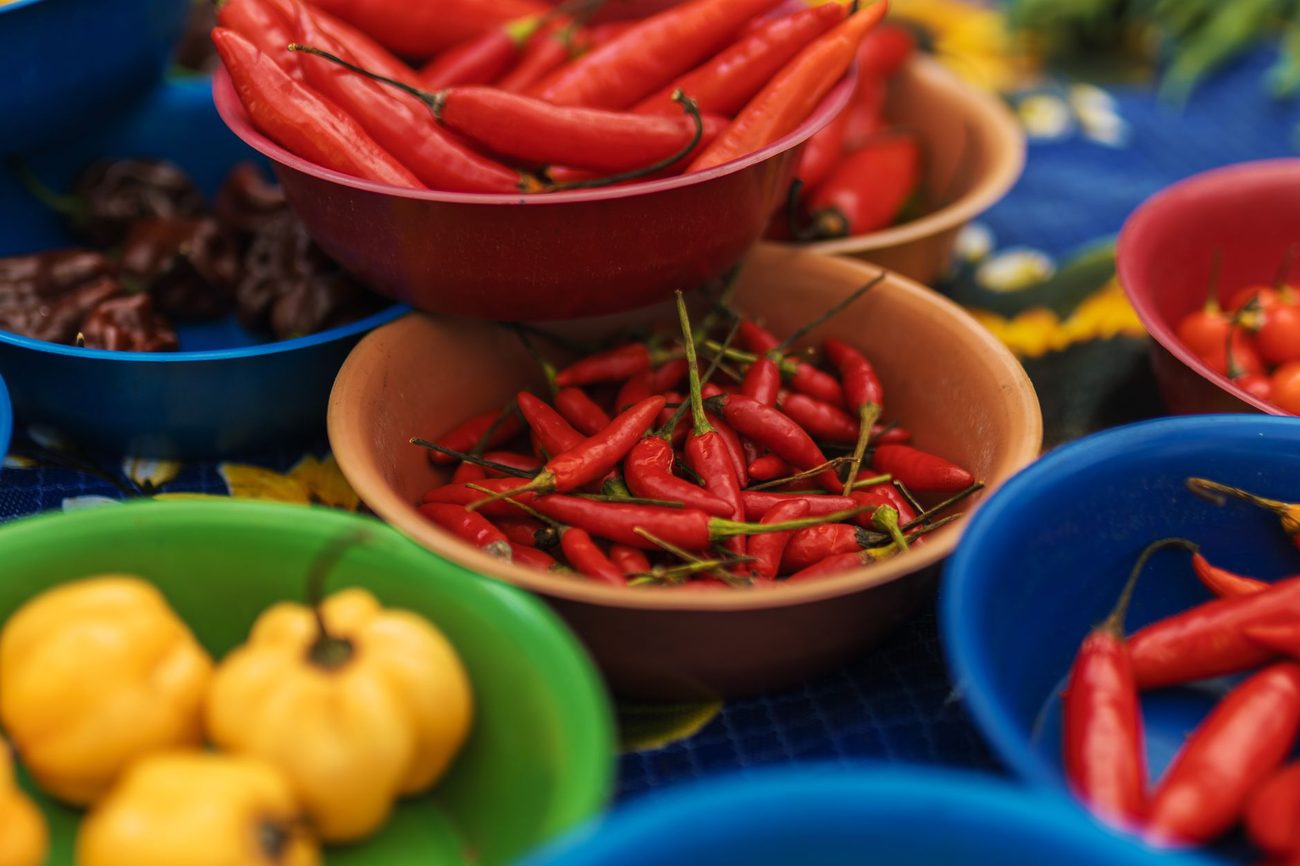
All nine pepper pots on the porch decided to finish at once. By Thursday the ají dulce were a mix of chartreuse, tangerine and scarlet, the jalapeños had gone from glossy green to a deep red with tan stretch marks along their shoulders, and the last shishitos hung in clusters like they had somewhere else to be. Our first frost usually comes between October 15 and 25 (last year it was October 20), and the ten-day forecast is still mild. But there are only so many evenings in a school week, and the peppers weren't going to wait for me.
So this morning I picked everything that was ripe and a fair amount that was close. The kitchen scale said a little over 4 pounds, which brings our pepper total to 18 pounds for the year. That's 4 more than last year, when the plants lived in the west bed instead of fabric pots on the hottest stretch of the porch.
A simple fermented hot sauce
I started a jar on September 19 with the first big flush of red jalapeños and a handful of ají dulce. It's the simplest ferment I know: chopped peppers, a few cloves from our July garlic, and a salt brine measured on the kitchen scale, in a quart jar with a glass weight to keep everything under the liquid. It sat on the counter for two weeks, bubbling quietly and smelling more interesting every day. I used a fermenting method from a source I trust and didn't guess at the salt, because that's the part that keeps a ferment safe.
This morning I strained it, blended the peppers with a splash of the brine and a little vinegar, and poured it into two small bottles that now live in the fridge. It's bright, tangy and medium-hot, more sour than a store sauce and fruitier, thanks to the ají dulce. Nate, who puts hot sauce on his eggs every morning, has already claimed one bottle. The second jar went on the counter today with the rest of the jalapeños.
One hot ají dulce
Ají dulce look like habaneros and taste like a sweet pepper with a floral edge, no heat to speak of. That's why I nearly fell over when I bit into one this week. It was a sweet pepper with a lit match in it.
The plants this year came from seed I saved last September, from peppers that grew in the west bed right next to the jalapeños. Peppers cross easily, and I'd bet a bee carried jalapeño pollen over to an ají dulce flower. Every pod on that one plant has some heat. It's marked in the notebook, and I won't save seed from it. My mother, who considers herself the family authority on ají dulce, will have opinions about this.
Also, gloves. Last summer I seeded a pile of jalapeños bare-handed and rubbed my eye that evening, and I'll leave the rest of that story where it belongs. Now I wear gloves for every hot pepper, even when I'm in a hurry.
Freezing the rest flat
The ají dulce I want for winter don't get cooked first. I wash them, pull the stems and seeds, chop them roughly and pack them into quart freezer bags, pressed flat to about half an inch and laid on a sheet pan to freeze. Flat bags stack like books in the freezer, and I can snap off a piece the size of a cracker for a pot of beans without thawing the whole bag.
Last year I froze them whole, stems and all, and paid for it in February. My mom drove up from Yonkers with her own knife, we thawed a bag of 2025 ají dulce, and together we turned it into 40 cubes of sofrito. My Abuela Ana grew these peppers in coffee cans on a fire escape in the Bronx, and my mother still says hers were better. She's probably right. Today's haul made five flat bags of ají dulce, two of chopped 'Carmen' sweet peppers for omelets, and one of whole jalapeños for Nate.
The shishitos never made it to the freezer. They went into a hot cast-iron pan tonight with oil and flaky salt, and the three of us ate them standing at the stove, playing the usual game of guessing which one in ten would be the hot one.