For seven springs, the border along the front of our porch has been the part of the yard I pretend not to see. A strip of tired mulch, a few daylilies the deer mow down every June, and a lot of good intentions. This morning it finally got planted: 15 native plugs for $57, set out while the porch steps were still cool from the night.
What I chose, and why
I bought them at a spring native plant sale, same as last year's plugs for the back fence. Last year's 18 cost $3.50 each. This year's averaged about $3.80, which is still less than a single nursery perennial in a gallon pot. The mix:
- Six purple coneflowers. Tough in heat and drought, loved by bees and butterflies, and if I leave the seed heads standing, the goldfinches pick them over in fall.
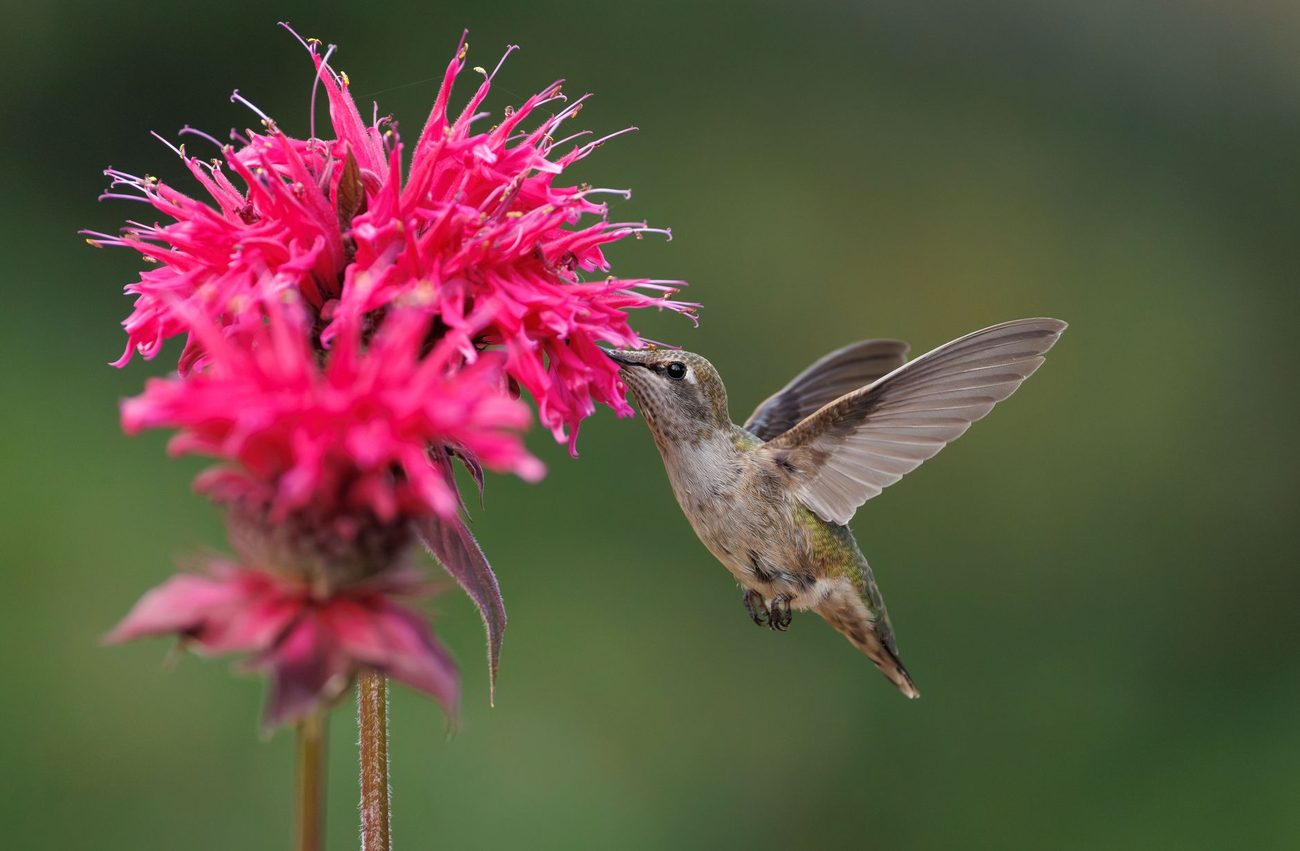
- Five bee balm. I went with the lavender-flowered wild bergamot rather than the red kind, which I'm told mildews more in our humid summers. The leaves smell like oregano and mint, and deer mostly leave them alone.
- Four little bluestem. A native bunch grass that stays blue-green all summer and turns the color of a new penny in October.
This border faces the street on the southwest side of the house, so it gets full afternoon sun plus heat bouncing off the porch skirt. It dries out fast. The plants I picked all handle that, and none of them want rich soil. The little bluestem is the one I'm most excited about as a painter: copper-orange grass against white clapboard in the fall is going to look like something I'd hang on a wall.
The back-fence strip I planted last May taught me that a few plugs get lost in their first summer, no matter what you do. So this time I bought several of each plant instead of one of everything.
How they went in
I set them out in loose drifts of odd numbers: coneflowers and bee balm toward the porch, where they can get tall, and the little bluestem along the front edge, where it can arch over the lawn. Everything is about 18 inches apart. I left the last four feet nearest the southwest corner empty on purpose. Kevin starts rebuilding the rotted part of the porch on June 1, and he'll need somewhere to stand that isn't on top of my coneflowers.
No compost. Natives like lean soil, and this border is already decent dirt. Each plug got a slow drink of barrel water, carried around the side of the house in the galvanized can, two trips. The drip line we set up in April only covers the raised beds, so for the first month these get the can every two or three days when it doesn't rain. A thin layer of shredded leaves went on last, pulled back from the crowns.
My one goof: I planted two of the bee balm right where the hose crosses the border to reach the porch. I noticed when I dragged the hose over them an hour later. They've been moved a foot to the left, and they looked a little offended about it.
Keeping the deer off
Deer cross our front yard most nights. "Deer resistant" on a plant tag means deer usually eat something else first, not that they never will, and young plants are always the most tempting. So for the first month I'm doing two things.
First, Bobbex, the same deer spray I started using after the tulips disappeared last April. This year's quart cost $26, and I'll spray the whole border every two weeks and after any heavy rain. It smells awful for an afternoon and then fades.
Second, the coneflowers get little tents. I had a few feet of hardware cloth left over from last June's groundhog fence, and I bent it into six small domes, pinned down with landscape staples. They look a bit like tiny greenhouses with no glass. Once the plants are bigger and tougher, the tents come off. The bee balm and bluestem are getting spray only, since they're the ones deer usually skip.
All of this came out of the $500 garden budget, which still feels like it's holding, though the porch repair is a different account entirely.
At six o'clock the late sun came across the porch steps and lit the little bluestem from behind, every blade outlined in silver for about ten minutes. Then a deer walked across the far end of the lawn, looked at the border, and kept going. I'm choosing to take that as a good sign.