The water bill came on Thursday, and I opened it standing at the mailbox: $176 for the summer quarter. Last year the same quarter was $214. That's $38 less, which is good news, and nowhere near the drama I'd imagined when we spent $294 on rain barrels and a drip line in April.
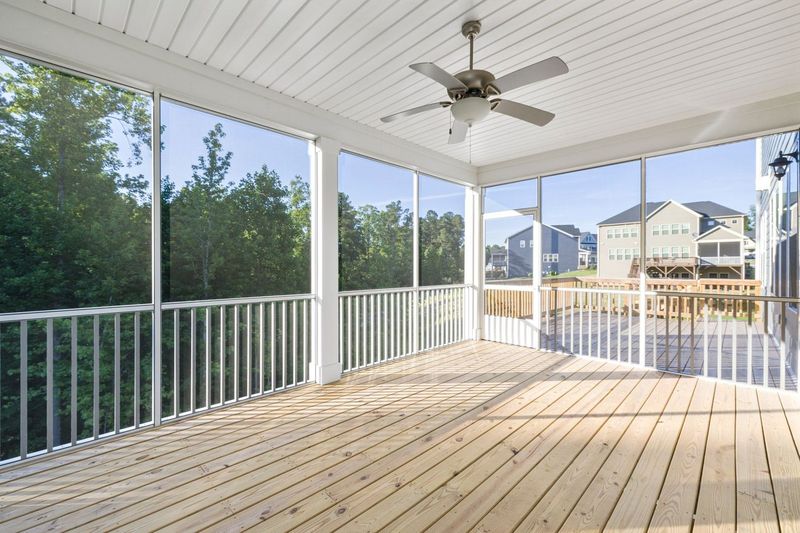
Our village bills water and sewer quarterly. Winter quarters run $118 to $124. The summer bill covers May through July, exactly when 30-some containers, two raised beds and a southwest-facing porch are at their thirstiest. Last year I watered all of it by hand with the galvanized can and the hose.
What we put in
On April 25 and 26, Nate and I set up:
- Two 50-gallon rain barrels at $79 each: $158
- Two downspout diverter kits at $23 each: $46
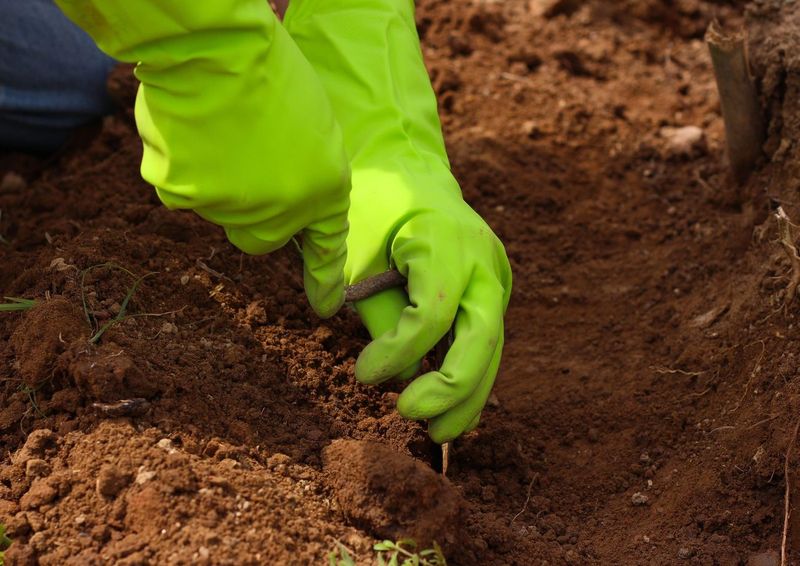
- A drip irrigation kit for both raised beds: $54
- A battery hose timer: $36
Total, $294, tracked on its own line outside the garden budget. The barrels sit on cinder blocks under the two back downspouts. The diverters send water into the barrels until they're full and then back down the spout, so there's no overflow puddle by the foundation. The drip line loops through the east and west beds, and the timer turns it on at six every morning.
What actually saved water
The drip line, by a lot. Hand-watering two 4-by-8 beds with a hose meant soaking leaves, paths and probably a bit of the Ferraros' side of the fence. The drip puts water right at the soil under the mulch, early, before the sun is on the beds. My first mistake was setting the timer for 30 minutes a day because more seemed safer. Within a few days the west bed was a swamp. I cut it to 15 minutes every other day until the tomatoes went in, then 20 minutes a day, and that's where it has stayed, with an extra 10 during the worst heat.
Shredded-leaf mulch. Free, and not new, but with the drip under it the soil stays damp about a day longer than bare soil does.
What barely mattered
The rain barrels, in July. I like them a lot and would buy them again, but a hundred gallons goes fast. After an inch of rain they fill in an afternoon, and the water inside has a faint tea color, with the maple reflected on top when you lift the lid. In May and June, when it rained every few days, they covered most of the porch watering. I'd fill the galvanized can at the barrels and carry it around the side of the house. In the hottest, driest stretch of July, when we needed water most, they were empty within four days and stayed that way until the next thunderstorm.
The porch is still all hand-watering, and there's more of it. This summer we have 38 containers to last year's 34, and the buckets and pepper pots at the sunny end drink every day. So the $38 is a little better than it looks: more pots, less water.
The payback, honestly
$294 divided by $38 is almost eight years. The beds still need water through September, so I expect the fall quarter to come in a little lower than last year's too. If it saves another $8 or $10, the payback lands around six or seven years. That's not a great return on paper. At our village's rates, barrels and a drip kit don't pay for themselves quickly, and I'd be suspicious of anyone who told me otherwise.
The return I care about more isn't on the bill. Next week we're going to Lake George for a long weekend, and Owen across the street only has to water the porch pots. The timer will take care of the beds. And I no longer spend a hot hour every evening at the end of a hose. Those things count. They just don't show up in a column.
Next year: a second timer and a short drip run for the porch buckets, if I can find a way to get water to the front of the house without a hose across the walk.