Mateo counted the pings out loud from the kitchen doorway, where he'd been told to stand: seven from the first batch over the early afternoon, then the second batch one by one, the fourteenth at 4:12 while I was wiping down the stove. Fourteen pints of salsa, fourteen sealed lids, and one sweaty eleven-year-old who would like everyone to know that he handled the cilantro.
It was his first canning day. Most of what I put up from the garden goes into the freezer as roasted sauce, but water-bath canning is the one kitchen job where I don't improvise at all. We used a tested salsa recipe from the Ball book and followed it exactly, and that was the first rule I gave him: we don't change the recipe.
Why the recipe is the boss
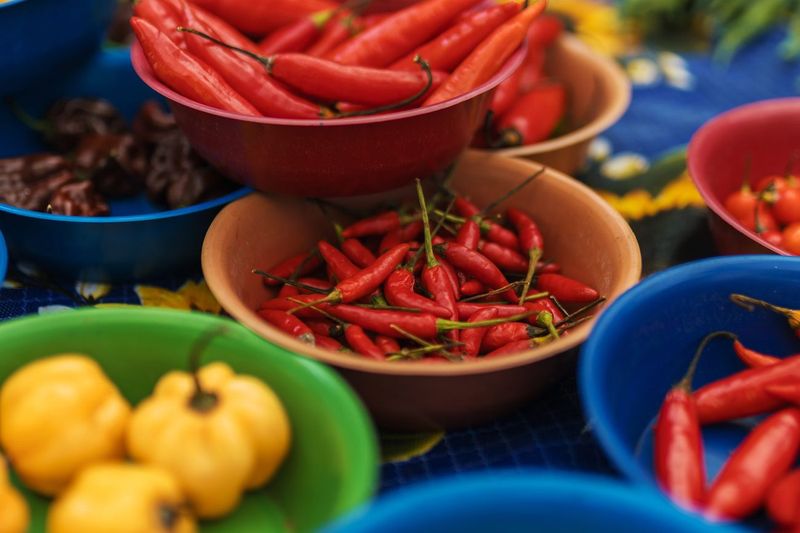
Salsa mixes tomatoes with low-acid vegetables like onions and peppers, and whether a home-canned jar is safe depends on the acid in that whole mix. A tested recipe has been worked out for specific amounts of vegetables and bottled lemon juice or vinegar. So you don't toss in an extra onion because it's sitting there, and you don't add more peppers because the plants are loaded. The recipe we used lets you swap one kind of pepper for another in the same amount and adjust the dried spices. That's about it. I learned all of this from the National Center for Home Food Preservation and the county extension's fact sheets, and if I'm ever unsure, that's where I check.
I explained it to Mateo the way I explain kiln rules to fifth graders: the rule is boring, and the rule is the whole point. He nodded the way fifth graders nod.
The day
We started at ten, after a quick run to the Pleasantville Farmers Market for cilantro, since ours bolted in July. The tomatoes were all ours, about 25 pounds, mostly San Marzanos and Amish Paste from the wave that ripened while we were at Lake George plus a new round from the west bed. The jalapeños came off the porch pots that morning.
Mateo's jobs were the ones with low stakes and high satisfaction. He dropped tomatoes into boiling water, fished them into an ice bath, and slipped the skins off, which he says feels like peeling a sunburn. He picked cilantro leaves off the stems, complaining the whole time that it tastes like soap, which runs in Nate's side of the family. He washed jars, kept the counter clear and drew the labels. I did the knife work, the measuring and everything that involved the canner. I also did the jalapeños, with gloves, after an evening last summer that I'd rather not describe.
By noon the kitchen was miserable. It was 88 degrees outside, the canner was at a rolling boil on one burner and the salsa simmered on the next. Both fans were going and the back door was propped open, and Pim spent the day under our bed, which is where he goes when the house gets loud or hot. The jars went in two batches of seven, processed for the time the recipe gives, and came out onto a towel on the dining table to sit untouched overnight. Held up to the afternoon window, they glowed like stained glass, deep red with flecks of green.
My mistake: I seeded some of the jalapeños and not others, depending on how patient I was feeling, so a few jars will be noticeably hotter than the rest and we won't know which until we open them. It doesn't change anything about safety, since the amount of pepper was the same. Mateo drew a little flame on the four labels he thinks are hot. We'll see.
What I'd hand off next year
Next August, at twelve, he can take more. Chopping onions, with swim goggles if he wants them. Reading the recipe out loud and checking off each step, which is honestly the most useful job in the room, because the person at the stove always loses her place. Setting the timer and calling out the time. I'm keeping the canner and the hot jars for myself a couple more years.
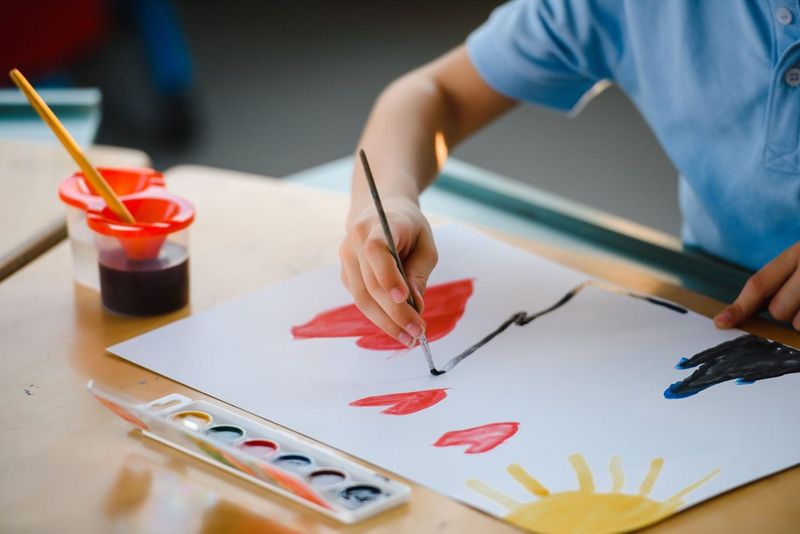
All fourteen jars are on the basement shelf now, each labeled in his handwriting with the date and a small drawing: a tomato with sunglasses, a pepper lifting weights, Pim wearing a sombrero. He asked if we could do it again next weekend. I said we'd talk after I'd finished washing the pots.