Sunday afternoon was 74 degrees and still, and the New England asters along the back fence were humming. I counted five different kinds of bees on a single plant in about two minutes, then lost count, which is the best problem I've had in this yard all year.
The native strip went in on May 31: 18 plugs at $3.50 each from a spring native plant sale, $63 in all. Mountain mint, purple coneflower, New England aster, black-eyed Susan and anise hyssop, tucked into a narrow band of soil against the old six-foot stockade fence at the back of the yard. In June they looked like a row of sad lettuce. In September they look like a garden.
Who took off, who sulked, who vanished
Sixteen of the 18 are alive. The two I lost were near the 16 feet of fence that came down when the maple limb fell in July. While Nate and Sal set the new posts and panels, a coneflower and a black-eyed Susan ended up under a post hole and a pair of work boots. Nobody's fault. There was a lot going on that week.
The mountain mint is the clear winner. It has filled out into tidy clumps with silvery leaves that look frosted even in August, and it smells like peppermint when I brush past. All summer it was covered in small wasps I couldn't name, which turned out to be completely uninterested in me as long as I didn't grab a handful.
The anise hyssop bloomed from July on, purple spikes with a faint licorice smell, and the bumblebees worked it every morning. The black-eyed Susans flowered in August and are going to seed now. I watched a goldfinch hang upside down on one seedhead last week, so they're staying up all winter. The coneflowers are the slowpokes. They put up a few blooms and spent most of their first summer growing roots, which is apparently what coneflowers do.
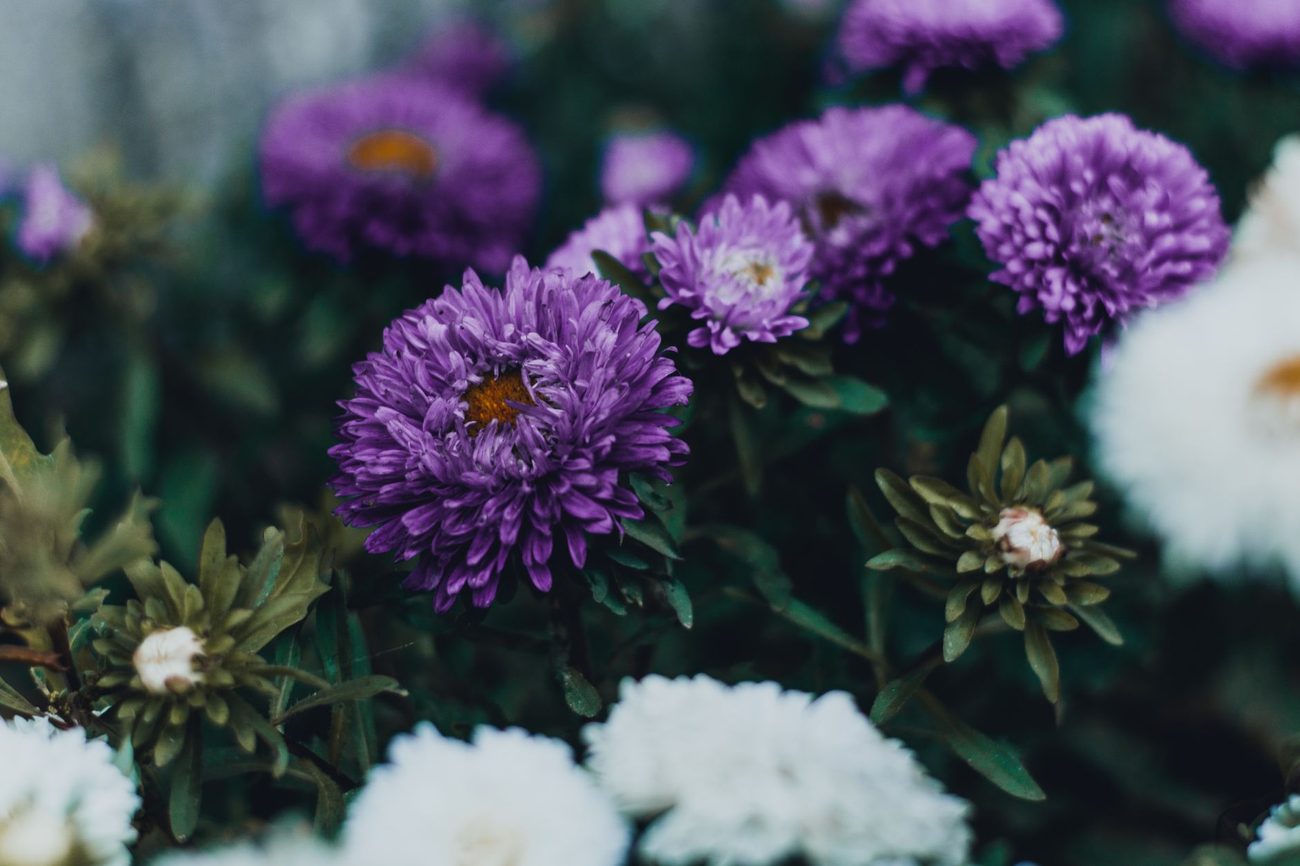
And the asters, which did nothing worth looking at until Labor Day, are now three feet tall and covered in small purple daisies with yellow centers.
The goldenrod I didn't plant
Goldenrod came up on its own along the fence line, a few stems last year and more this year. I left it. It blooms at the same time as the asters, and the two together, violet and yellow against the weathered gray of the stockade, look like something I'd have a class of fourth graders paint to learn about complementary colors. Some people pull goldenrod because they blame it for fall allergies, but the pollen that makes us sneeze in September is mostly from ragweed. Goldenrod pollen is heavy and sticky and travels on insects, not the wind.
Who was visiting
I am not a bee person, and I'm learning the names slowly with a field guide from the library. Here's what I could identify on Sunday:
- Bumblebees, big and unhurried, on the asters and the last of the anise hyssop. At dusk a couple were still clinging to the flowers, apparently planning to spend the night.
- Tiny metallic green bees, which the guide says are sweat bees, mostly on the goldenrod.
- Honeybees from somewhere in the neighborhood, mostly on the mountain mint.
- One monarch on the asters for about five minutes, while Mateo stood absolutely still beside me.
- Skippers, a cabbage white and a lot of things I couldn't name at all.
There were also two spotted lanternflies on the stockade, which I stepped on without guilt.
Late-season flowers matter more than I understood when I planted these. By mid-September the zinnias are tired, the vegetable beds are mostly fruit and leaves, and the bees still need to eat before cold weather. Right now this little strip is the only thing in our yard blooming hard, and the bees have found every inch of it.
The border beside the front porch is next on my list. It gets better sun than the back fence, and the deer walk right past it every night, so that one is going to take more planning and probably a whole winter of notebook pages.