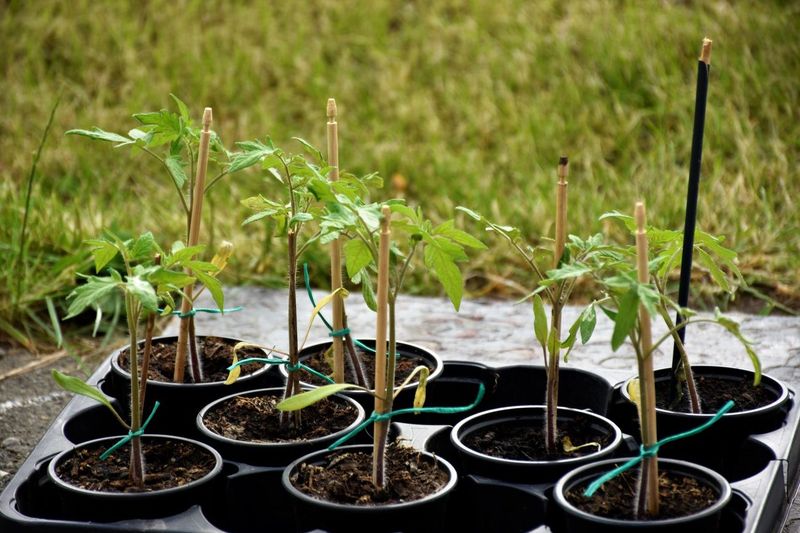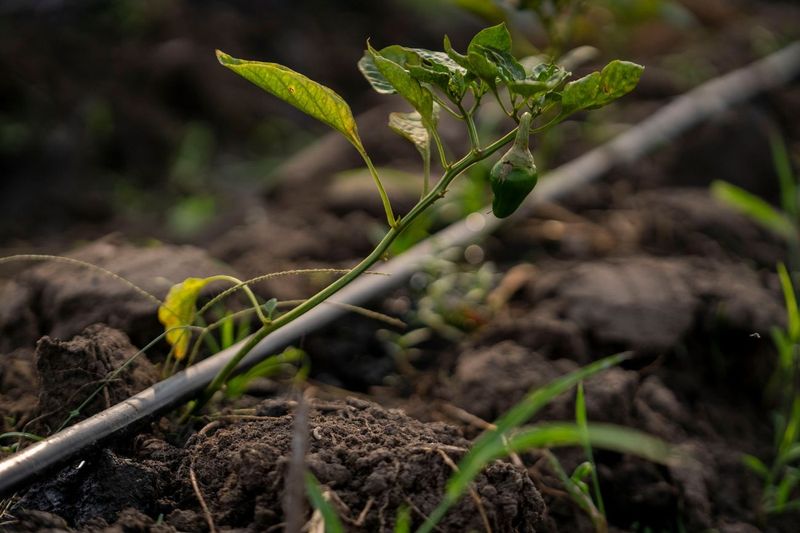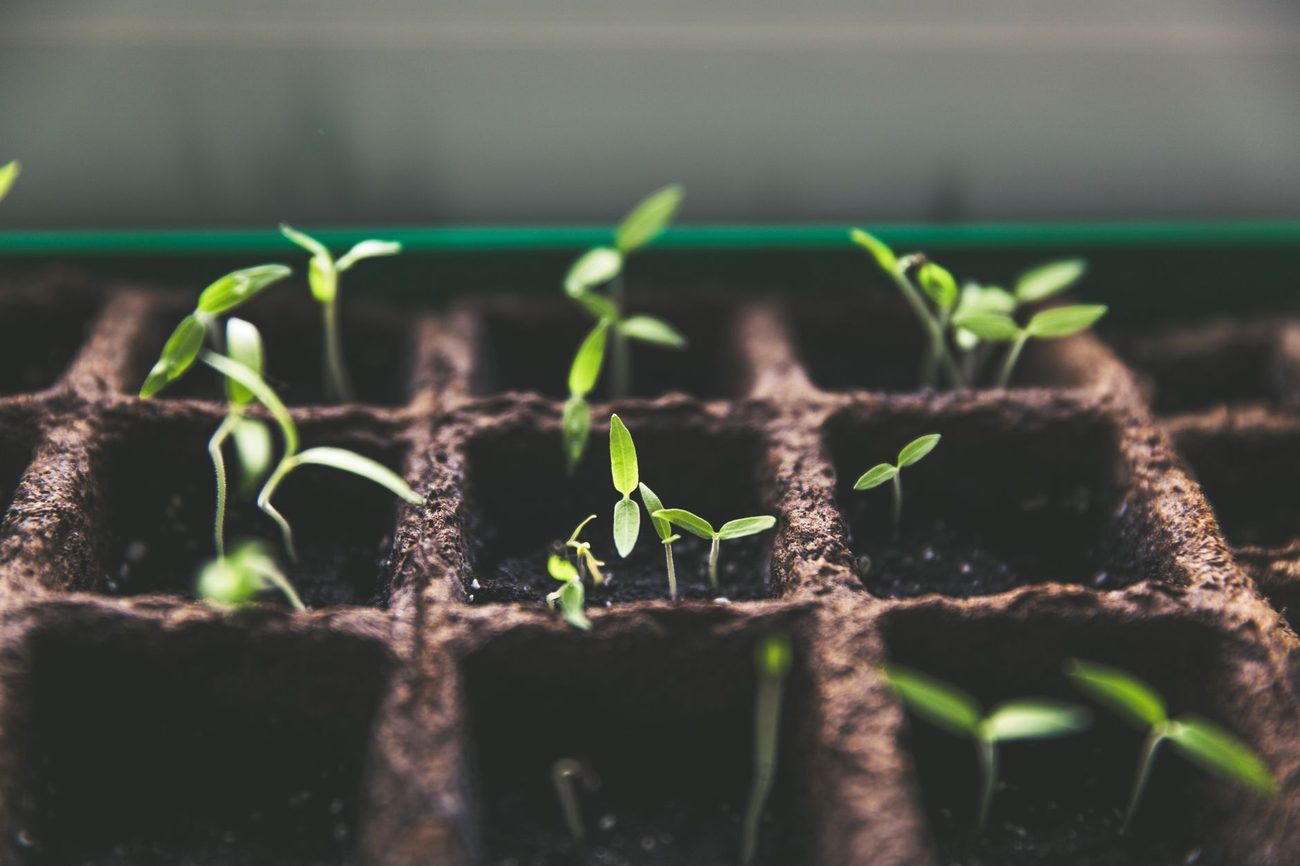
At 7:20 this morning I carried the first tray out through the screen door, then the second, then the third, until forty seedlings sat in a line on the porch floor against the clapboards like kids waiting for a bus. Sixteen tomatoes, eleven peppers, five zinnias, four marigolds and four crowded cups of petunias and alyssum for the still-empty window boxes. The other twenty-four tomato seedlings from spring break have already found homes: fourteen in the teachers' lounge, four over the fence with the Ferraros, four with my parents in Yonkers and two with Owen's family across the street. That's the only reason the porch math works at all.
Today is day one of ten. Mother's Day is my frost date (a rule of thumb, not a promise), and this year it lands on May 11. The tomatoes and peppers go into the ground on the 17th, so these ten days are the bridge between a calm basement and a porch that is anything but calm.
Why our porch is a hard place to start
The porch faces southwest. In July that's a gift: the tomato buckets bake from late morning until sunset. For a seedling that has spent its whole life under two LED shop lights, it's a shock. Shop lights look bright to us, but they're nothing like a clear May afternoon, and the leaves haven't built up any defense against real sun yet. The stems have never been pushed around either.
Then there's the wind. The porch is 26 feet wide and open at both ends, and a gust coming up the street hits it like a funnel. I've watched it lift a folded newspaper off the bench and set it down on the lawn. A tray of three-inch seedlings in yogurt cups weighs about the same as that newspaper.
The ten-day routine I settled on
This is written on the inside cover of this year's notebook, so I don't have to think at 6 a.m.:
- Days 1 and 2: two hours outside in the morning, while the whole porch is still in shade. Back in before the sun comes around the columns.
- Days 3 and 4: four hours, including the first hour of direct sun.
- Days 5 and 6: out until about 3 p.m., then pulled back against the wall where the roof shade falls.
- Days 7 and 8: the full afternoon in the sun, inside at night.
- Days 9 and 10: out overnight unless the forecast drops below 50 degrees. The peppers sulk for a week after a cold night, so they're always the first ones carried in.
The trays never go on the bench or the rail. They sit on the floor, pushed against the house, and on gusty days they go inside a shallow plastic storage bin that breaks the wind without blocking much light. I water first thing, because wind dries out a yogurt cup faster than sun does. By afternoon the smallest cups already feel light when I lift them.
A week before all this, I ran a small fan in the basement for an hour a day and brushed my palm across the tomato tops every night. Stems that get bent a little grow thicker. Nate says I'm petting the plants, which is accurate.
The two trays I lost learning it
The first was in 2023, our first spring with the basement shelf. I was so proud of those tomatoes that on a warm Saturday I set the whole tray on the bench in full afternoon sun and left for Mateo's Little League game. When we came home the leaves had gone the flat white of printer paper. A few plants pushed out new growth from the tip. Most never recovered, and that tray went into the compost.
The second was last May. I had learned about sun and forgotten about wind. A tray of peppers sat on the porch rail for maybe forty minutes before a gust tipped it over the edge onto the steps. Potting mix in every crack of the wooden treads, half the stems snapped clean. I saved four.
So the rules come from two very specific bad days. Sun gets added in small doses, and wind gets respected every single day, even when the morning feels still.
What I watch for
A seedling that's coping looks a little tired at 4 p.m. and perks back up by evening. One that's in trouble shows it in the leaves: pale or white patches on the side facing the sun, purple undersides on the tomatoes after a cold night, edges that turn crisp. If I see any of that, the whole group drops back a day. It costs me a day, and there's a week of slack before planting.
I also count. Every evening I bring the trays in and count to forty out loud, which Mateo finds very funny. He turns ten on Friday and has asked whether counting seedlings can be his birthday job. Pim supervises from the front window, tail twitching, outraged that the porch is full of plants he isn't allowed to touch.
Tonight's count was forty. The shishito seedlings already look a shade darker than they did this morning, a glossy green that almost hums against the worn floorboards. It might be the light. I'll take it either way.