The receipt is taped into the notebook on the page after the bean disaster, and it reads $137.88. Here's what that bought:
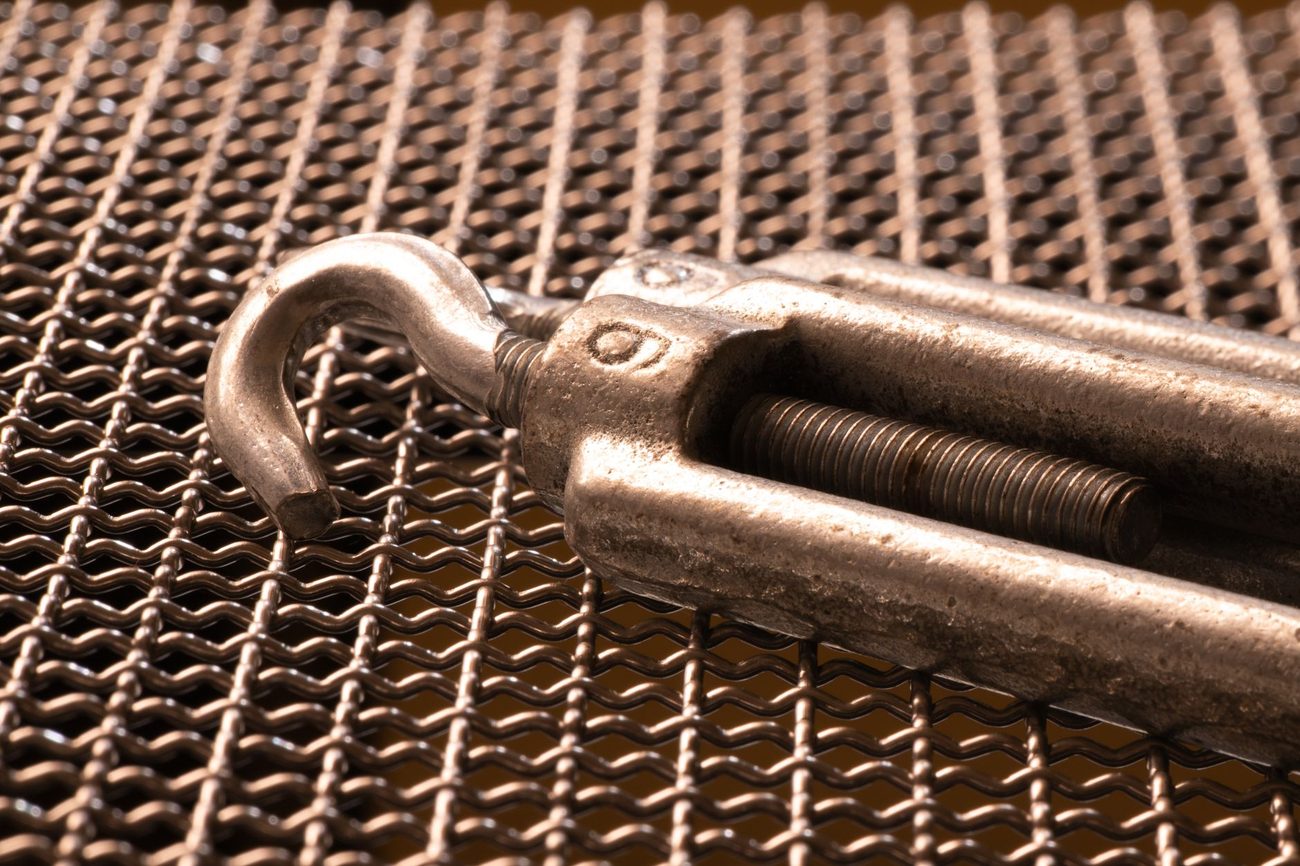
- Two 36-inch-wide rolls of half-inch galvanized hardware cloth: $97.96
- A box of landscape staples: $13.97
- A bag of heavy-duty zip ties: $7.98
- Cut-resistant work gloves: $17.97
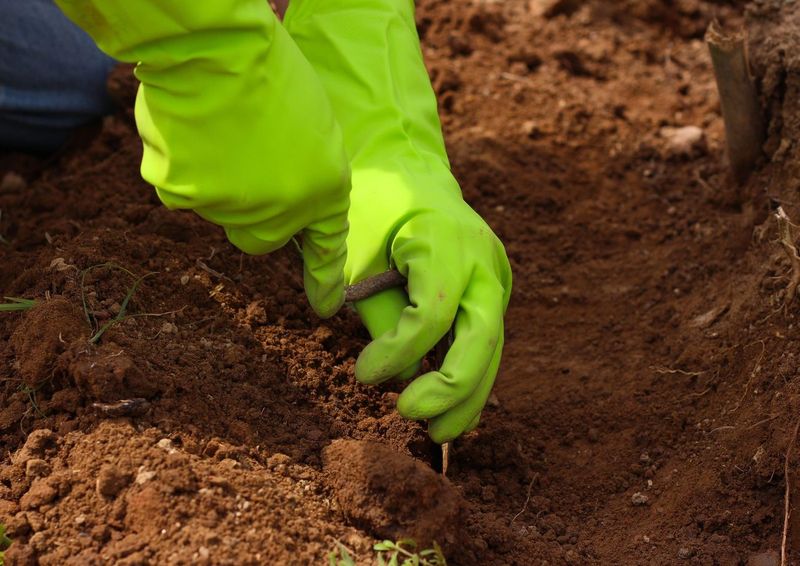
Call it $138. We already had tin snips, a mallet, a cordless drill, screws and a box of fender washers in the garage, which helped. The gloves were not optional. Freshly cut hardware cloth has edges like a cheese grater.
Why an L-shaped apron
Last week the groundhog we call Gus ate all 24 of our bean seedlings in two mornings, coming in through a hole he dug under the back stockade fence. Groundhogs are strong diggers, but they dig in a predictable way. They walk up to a fence and start digging straight down at its base. If there's wire lying flat on the ground right where they start, they scratch at it, get nowhere and usually give up. They don't seem to think of backing up two feet and trying again.
So the plan was an L. Each strip of hardware cloth gets bent lengthwise so 12 inches stand up against the bottom of the fence and 24 inches lie flat on the ground, pointing away from the garden. Whatever grows there comes up through the mesh within a few weeks and locks it in place.
The flat part had to go on the outside of the fence, which meant our back neighbors' side. Their side is a shady strip of ivy they never walk on, and when I knocked on Friday to ask, they said yes before I'd finished the sentence. I suspect Gus has been visiting them too.
One long Saturday
We started at 8 a.m. and finished a little after five, with a long lunch on the porch steps. First, Nate and I unrolled the hardware cloth on the driveway, cut it into manageable lengths with the tin snips and bent each piece over the edge of a 2-by-4 to make a crisp fold. That took most of the morning, mostly because hardware cloth has a mind of its own and wants to roll back up the second you let go.
Then we filled Gus's two holes with rocks and packed soil, and pulled the ivy back from the base of the fence on the far side. The upright part of each piece went against the bottom rail of the stockade, held with screws and fender washers every couple of feet. The flat part got pinned to the ground with landscape staples about every foot, tapped in with the mallet. Where two pieces met, we overlapped them six inches and zip-tied them together, so there was no seam to push through.
At the north corner the apron turns and runs a few feet along the chain-link fence we share with the Ferraros, zip-tied to the links. Sal came over to supervise from his side, offered opinions on our staple spacing the way only a retired mason can, and said wire on his lawn was fine as long as he didn't trip on it. All told, the apron runs 40 feet.
Mateo's job was carrying staples and reporting Gus sightings. There were none. I suspect Gus heard the drill.
Did it hold?
So far, yes. That's four nights. On Monday morning I found a patch of scraped dirt at the edge of the apron near the corner, a few inches deep, where something had tried and quit. There are no new holes anywhere along the fence and nothing in the beds that shouldn't be there.
The beans went back in on Sunday, 24 of them in the same row. They aren't up yet, and I'll be checking that row every morning with my coffee. I'll believe the apron really works when those beans make it to flowering.
For now the new wire still flashes silver through the ivy along the fence, like a strand of tinsel somebody forgot to take down. By July it should disappear.
The budget part
This one stings a little. My 2025 garden budget is $450, and $138 is nearly a third of it, spent in June on something that doesn't grow a single vegetable. I already suspect this is the line that will push me over by the end of the year. But the alternative was feeding Gus all summer, and a groundhog that finds tomatoes doesn't forget where they are.
Gus was spotted Monday evening on a lawn two doors down, eating clover, which is exactly where he belongs.