My boots made a sucking sound with every step along the back fence this morning. Late March in Mount Kisco is mostly mud, half-melted leaf piles and the occasional patch of gray snow in the shade of the stockade fence. But walk the fence line slowly and the yard is clearly waking up, a few weeks before it looks like anything from the kitchen window.
The flowers that came with the house
When we bought this place in June 2019, the previous owners left us two gifts along the 6-foot stockade fence at the back of the yard: a long line of snowdrops and a handful of hellebores. I didn't know what either one was until the following March, when they bloomed while everything else was still brown.
The snowdrops started in late February and are past their best now, but there are still dozens of little white bells nodding along the base of the fence. The patches have roughly doubled since our first spring. I've never fed them, watered them or done anything except not step on them.
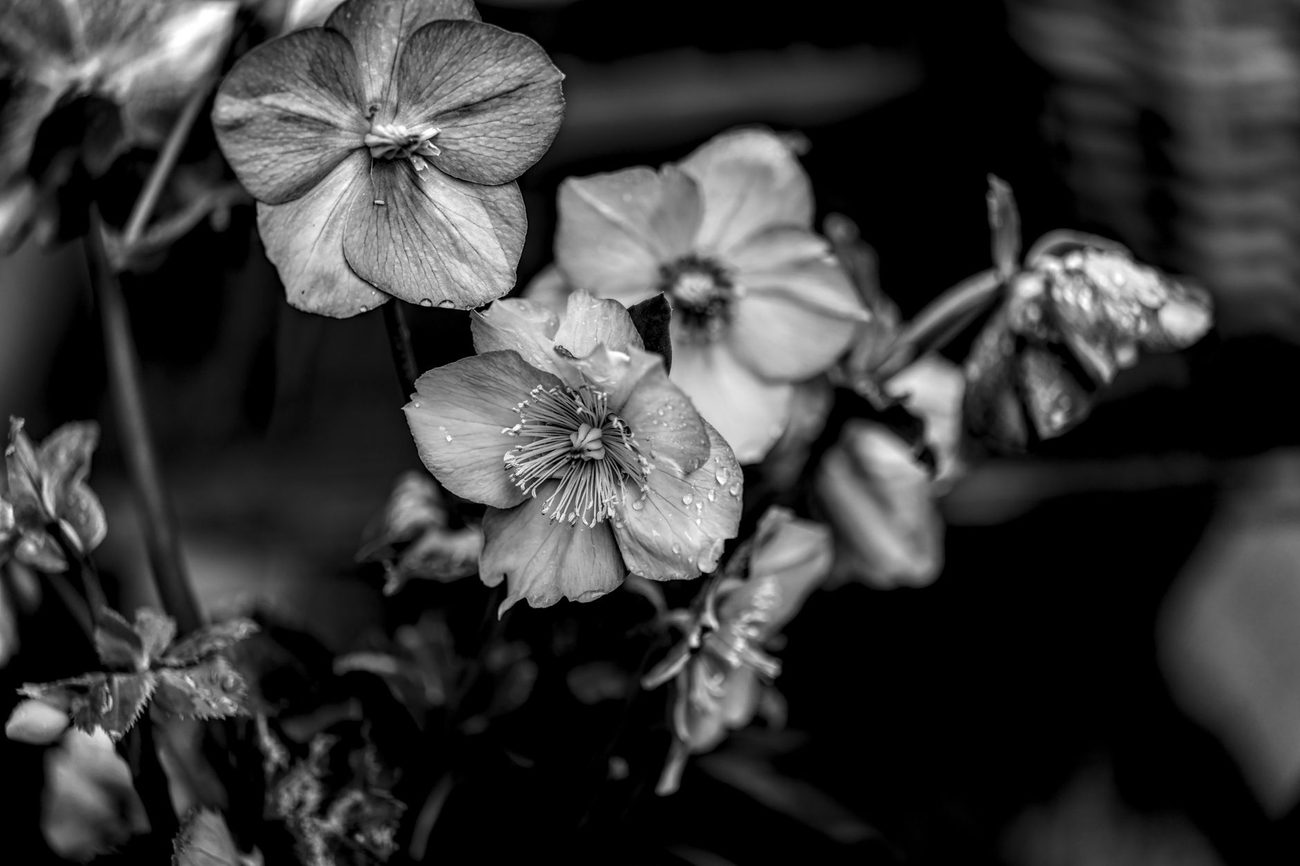
The hellebores are in full bloom this week, five clumps of them. Their flowers hang face-down, so you have to crouch in the mud to really see them. When you do, they're a dusty plum on the outside and a greenish white inside, with speckles like someone flicked a loaded paintbrush at them. They're the one flower I try to paint every spring and never get right. The color sits somewhere between red wine and an old velvet armchair.
Here's my confession. Hellebores look much better if you cut off last year's tattered leaves in late winter so the new flowers aren't hidden underneath. I meant to do it in February. I didn't, so the blooms are peeking out from under a mess of brown-edged leaves. I trimmed the worst of them this morning with my Felcos, carefully, and will do better next year.
What else is moving
In the back corner, the rhubarb crown we planted in 2022 is pushing up fat red knuckles, wrinkled and shiny, that will unfold into leaves over the next few weeks. Above it, our silver maple has finished flowering, and the gutters are full of its little red tassels. By the back steps, the chive clump has about an inch of new spears. It's always the first thing we eat from the yard.
The raised beds are still tucked under the shredded leaves I spread in November. I pulled back a corner of the west bed and pushed in the soil thermometer: 39 degrees. The snap peas go along the chain-link fence when the soil gets to about 40, so next weekend looks likely if the sun cooperates.
Out front, the 30 tulips I planted along the front walk last fall are up, their leaves thick and folded like they're keeping a secret. This is their first spring. I've seen deer tracks crossing the front lawn most mornings, but so far they've walked right past the tulips. I'm choosing to read that as a good sign.
The potted fig is still dormant down in the coal room. It comes up in mid-April, once the nights stop dipping into the 20s.
The strip I'm planning
Walking the back fence also reminds me how much bare dirt there is between the snowdrops and the lawn. Once the snowdrops fade, that strip is just mud, then weeds, then whatever the wind blows in. I'd like to plant it with native perennials for the bees, something like mountain mint, coneflower and asters that can handle the morning sun back there. There's a spring native plant sale in May, and I've already started a list in the notebook, which is always the dangerous first step.
I also need to rake the old leaf litter out from the fence line before the weather warms. That damp layer is where ticks like to wait, and the back fence is exactly where I'll be kneeling all spring.
Mateo came out in his Little League cleats around noon to ask if it was lunchtime yet. He'd walked straight across the lawn to find me, so now the cleats are drying on newspaper by the kitchen radiator, and there's a trail of mud across the back steps in the exact shape of a nine-year-old.