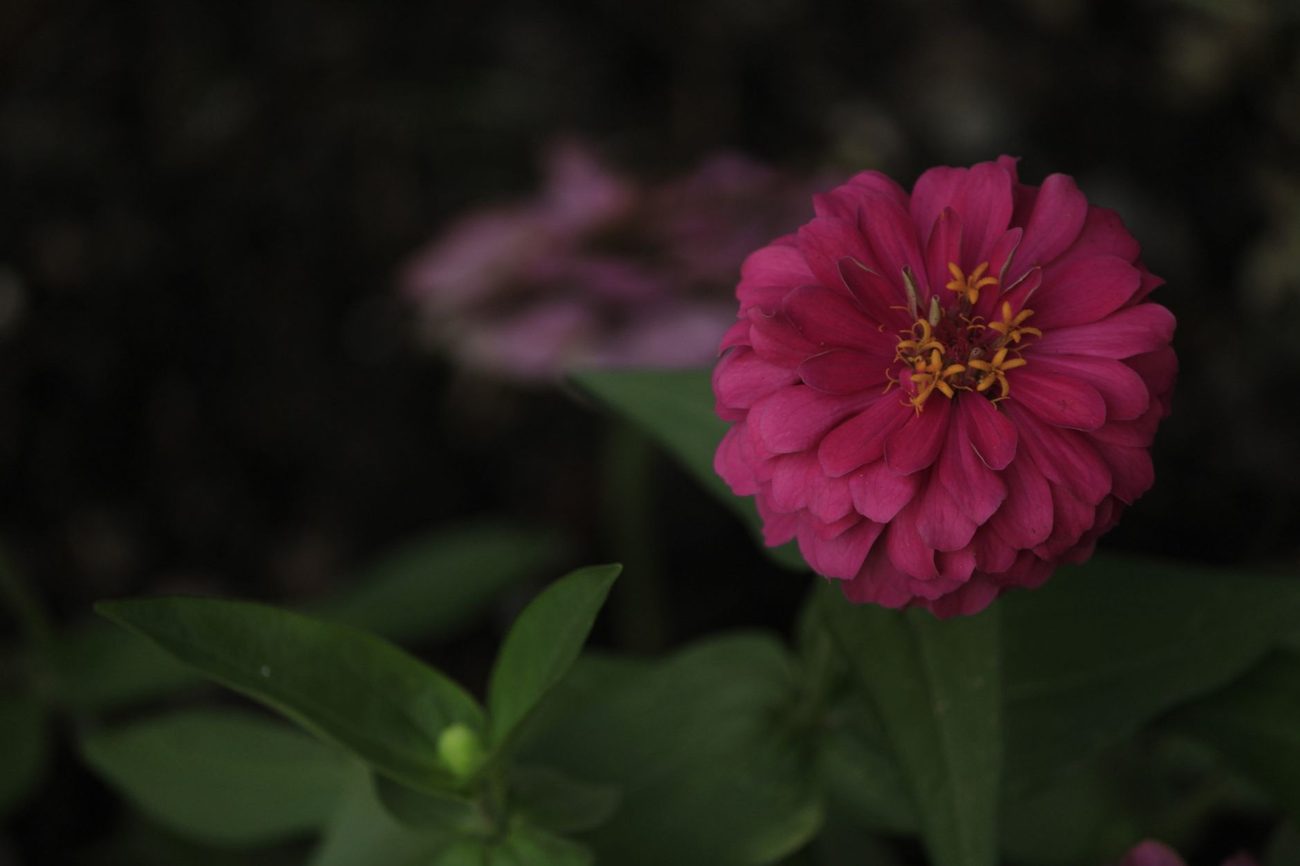
At 6:15 this morning I walked out the front door with coffee in one hand and a quart deli container of soapy water in the other, and stopped at the zinnias in the border beside the porch. There were 39 Japanese beetles on five plants. Yesterday there were 48. On Thursday there were 61. The first one showed up on Tuesday, a single beetle on a pink zinnia, and by Wednesday it was a crowd.
Japanese beetles are beautiful, which makes this harder. Their heads and bodies are a metallic green and their wing covers are copper, like a tiny enamel brooch. They're also capable of turning a zinnia into lace in an afternoon.
The soapy jar method
It isn't a clever system. A container with a few inches of water and a good squirt of dish soap. The soap breaks the surface tension, so beetles that fall in sink instead of floating and flying off.
The timing is what makes it work. Early in the morning, while it's still cool, the beetles are slow and clumsy, and when something disturbs them their instinct is to fold their legs and drop straight down. So I hold the container right under the flower and tap the stem, or nudge them toward the edge with a finger, and they fall in on their own. Later in the day, warm beetles fly instead of falling, and the whole thing gets a lot more frustrating.
It takes me about ten minutes for the zinnias and the basil on the bench, then another five for the bean leaves in the west bed. Mateo has started coming out with me. I pay him nothing, but he keeps a tally on the back of an envelope and reads out the count at breakfast, which seems to be its own reward. The lid goes on the container, it sits in the garage for a day, and then it goes in the trash.
Why I won't hang a trap
The yellow bag traps sold at every hardware store in July do catch a lot of beetles. The problem is what else they do. The lure pulls beetles in from a wide area, and plenty of them land on plants near the trap instead of dropping into the bag. A neighbor on our old street in Ossining hung one beside her roses one summer, and her roses were the worst-hit on the block. The extension fact sheets I've read describe the same pattern: a trap can bring more beetles into a yard than it ever catches.
I also don't spray. The native strip along the back fence is in its first summer, the black-eyed Susans have just opened, and bumblebees work the zinnias all day long. A broad-spectrum insecticide would hit all of them along with the beetles. Hand-picking is slow, but it only takes out what I put in the jar.
And I don't treat the lawn for grubs, which is where these beetles spend the rest of the year. We don't do chemical lawn programs, and our patch of grass is small enough that I doubt it makes much difference to the neighborhood's beetle population either way.
Which flowers they skip, at least here
This is only our yard, in the first week of beetles, so take it as notes, not rules. They go hardest for the zinnias, then the basil, then the leaves of the resown beans, which are now more holes than leaf. They've chewed a few coneflower petals along the back fence.
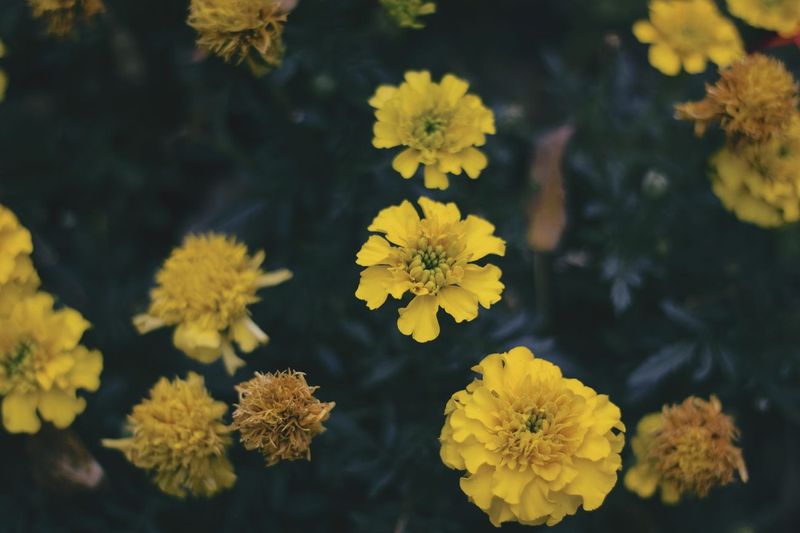
They have mostly ignored the marigolds beside the tomato buckets, the petunias and alyssum in the rail boxes, and the mountain mint in the native strip, which is busy with every other kind of insect. The tomatoes themselves haven't been touched. Last summer was roughly the same pattern, though I didn't count as carefully then.
How long this lasts
In our part of New York the beetles usually stay around four to six weeks, at their worst from mid to late July. So this is the routine into August: coffee, soapy jar, envelope tally. On the hottest mornings I'm out before six, in the rust shirt with the sleeves rolled, because the beetles wake up when the sun hits the porch border and I'd rather get there first.
It's also, honestly, a good fifteen minutes. The street is quiet, the window boxes are still wet from watering and Sal is usually out on his side of the fence with the hose. We talk about figs. I count beetles.
The zinnias are ragged around the edges this morning, but they're still blooming, and the bumblebees on them don't seem bothered by the holes at all.