The last thing I packed on Wednesday was the drying rack, a tall metal cart with twenty-five slide-out shelves, still sparkling with glitter from a kindergarten project in March. I rolled it into the corner, threw a sheet over it and stood in the empty art room for a minute. Thirteen years in, the last day of school still feels like a holiday.
I teach art to roughly 480 kids a week, kindergarten through fifth grade. By the end of June the room is a geological record of the year: clay dust in the corners, a blue tempera stain on the sink counter, a single googly eye stuck to the ceiling since February. Packing up takes three afternoons, and I do it slowly on purpose. The late June light comes through those windows the color of weak lemonade, and I like being in the room once it's quiet.
Loose ends at school
On Tuesdays in the spring I run a small after-school garden club. For our last meeting, two weeks ago, everyone took home a marigold they'd grown from seed in a cup since March. A second grader told me hers was going to live "forever, probably." I didn't correct her.
Denise, who teaches fourth grade down the hall and grows garlic out in Putnam Valley, stopped by on the last afternoon with a paper bag of garlic scapes from her garden. We stood in my doorway talking about garlic for twenty minutes while the buses pulled out. I've never grown it. Every year she says I should, and every year I say I'll think about it. I stir-fried the scapes Wednesday night, and I'm thinking about it harder than usual.
How my days change
During the school year the garden gets me before 7 a.m. and after 4:30, and in June that's mostly watering in a hurry. Starting Thursday, it gets real hours. Here's the rough shape of a summer day at our house.
Early morning, from about 6:30 to 9, is garden time. The air is cool, the porch is still in shade and the plants are at their crispest. I water the tomato buckets and the herb bench with the galvanized can, walk the beds, pull a few weeds, pinch suckers and check what's ready. This is also when I write in the notebook, standing at the porch rail with coffee.
Midday belongs to Mateo, who finished fourth grade on Wednesday and is now a rising fifth grader with opinions. We go to the library, the pool at Leonard Park, his friends' houses. When it's 90 degrees, nothing in the garden needs me between noon and four anyway, and working out there in that heat just wears out both of us, me and the plants.
Evening is the second round of watering for the buckets and the terra cotta, and picking for dinner. Right now that means the last of the snap peas off the chain-link fence, lettuce before it bolts and herbs. In a few weeks it will mean tomatoes.
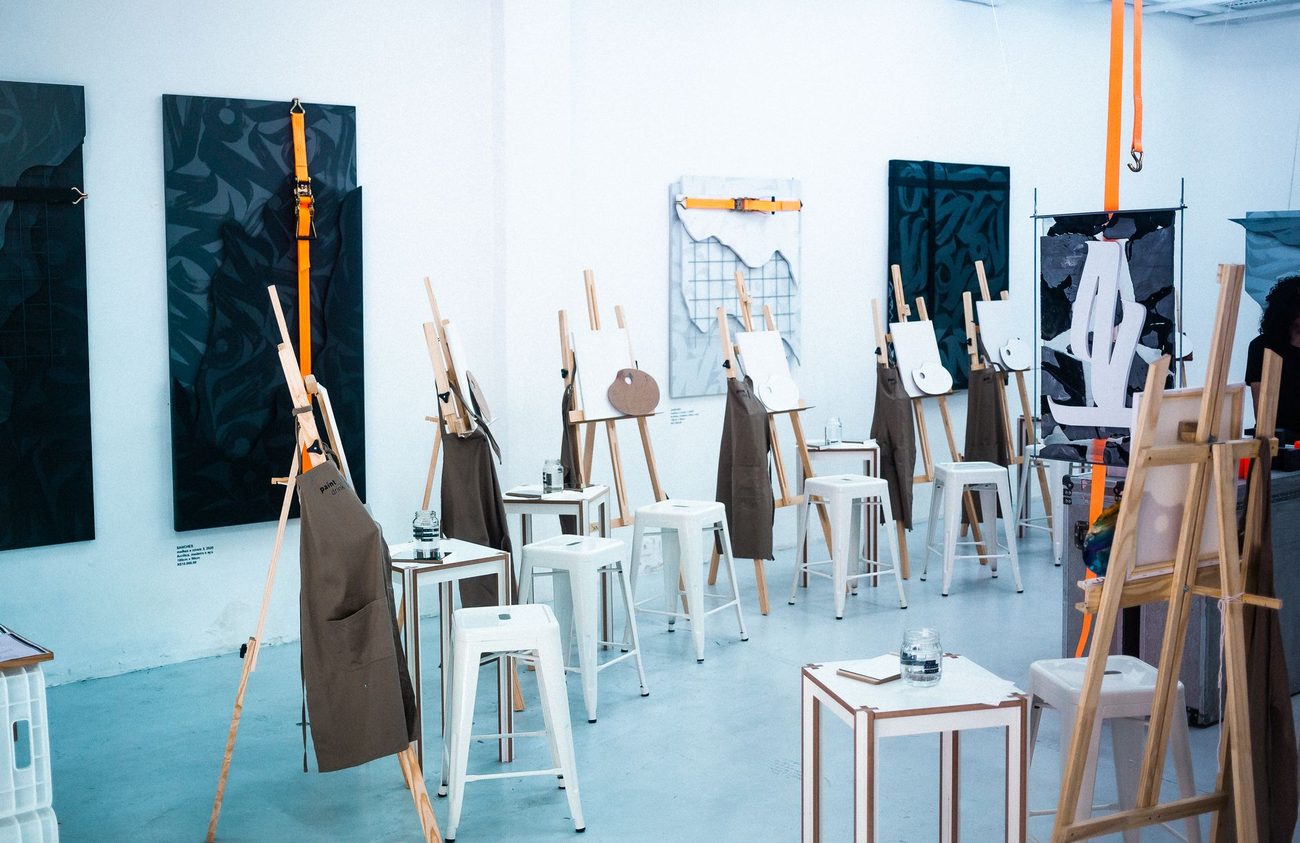
And one or two afternoons a week, when the light swings onto the porch, I'm going to set up a small easel next to the rocker and paint. I have a painting degree that I mostly use to show seven-year-olds how to mix purple. Summer is when I try to remember why I got it.
Where the garden stands
The east bed tomatoes are shoulder high and crowded (eight in a bed built for six, I know), with green fruit on the Early Girl and the first trusses setting on the others. The peppers in the west bed have finally decided to grow. The resown beans are up behind the hardware cloth, and Gus hasn't been inside the fence since. The strawberries are done, and the six grow bags on the steps are throwing runners in every direction.
The window boxes on the rail are at their best: deep purple petunias, coral geraniums and white alyssum spilling over the edge. In the evening the white alyssum looks almost blue, the way snow does at dusk.
Next weekend the tomatoes get their Florida weave. In August we have a week in Wellfleet with Nate's sister and her family. Between now and then there's nothing on the calendar except the garden, a few Little League makeup games and whatever Mateo talks me into.
On Thursday I slept until 7:10 and woke up feeling like I'd gotten away with something.