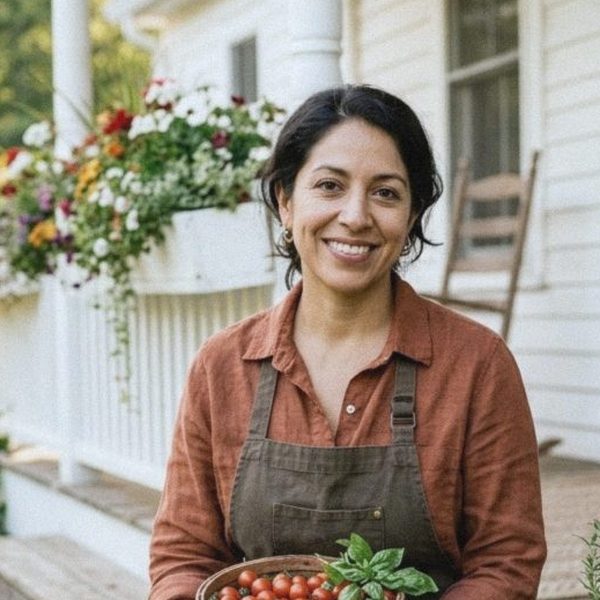
My mother arrived at ten on Saturday morning with her own knife wrapped in a dish towel, a plastic bag of recao from the bodega near her apartment in Yonkers, and the look of a woman who has been making sofrito for fifty years and has heard that I've been doing it differently. She had heard correctly.
The main ingredient was already in our freezer: a gallon bag of ají dulce from last summer's plants, picked in September and October and frozen whole. Those peppers grew from seed I saved from my mom's plants, which grew from seed she saved from her mother's. So in a way, the peppers were coming home.
What goes into our sofrito
Every Puerto Rican family has a version, and every one of them is right. Ours, meaning my mother's, which means mine whether I like it or not, goes like this for a big batch:
- About 60 ají dulce, stems and most seeds removed
- 2 bunches of recao, the real backbone
- 1 bunch of cilantro, leaves and tender stems
- 3 large yellow onions
- 2 heads of garlic
- 4 cubanelle peppers
- 1 red bell pepper, for color and sweetness
No tomato, no oil, no salt at this stage. Those go in later, in whatever pot the cubes end up in. The onions, garlic, cubanelles, bell pepper and cilantro came from the grocery store, about $11 worth. Our own garlic is still under its shredded leaves in the east bed, and the last of our onions were gone by January.
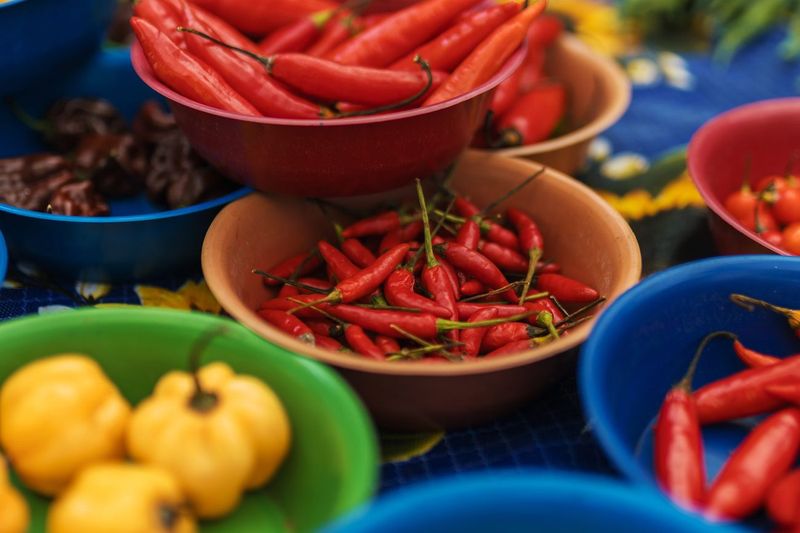
The ají dulce is the part you can't easily buy around here. They look like small habaneros, wrinkled and lantern-shaped, but they have almost no heat, just a sweet, flowery, peppery smell that is the entire point. Frozen, they're the color of a red-orange crayon with a dusting of frost, and when they thaw, the kitchen starts to smell like my abuela's.
The mistake I made in September
I froze the peppers whole, stems and all, because I was tired and it was a school night. That meant Saturday started with my mother and me at the kitchen table stemming 60 half-thawed peppers with numb fingers. Thaw them all the way and they go soft and slippery and the seeds get everywhere. Don't, and your hands ache. My mother let me know, kindly but more than once, that she stems hers before freezing. Next year, so will I.
Mateo was in charge of picking cilantro leaves off the stems, which is basically his summer cilantro duty moved indoors. He lasted about fifteen minutes before he discovered that his grandmother would pay him a dollar a bunch, and then he did the recao too.
Food processor versus my mother
My grandmother, Abuela Ana, made sofrito with a pilón, a wooden mortar and pestle, at a kitchen counter in the Bronx while ají dulce and recao grew in coffee cans on the fire escape outside her window. My mother uses a food processor and considers this a compromise. I use one too, but I'd been running it too long and ending up with a smooth green purée.
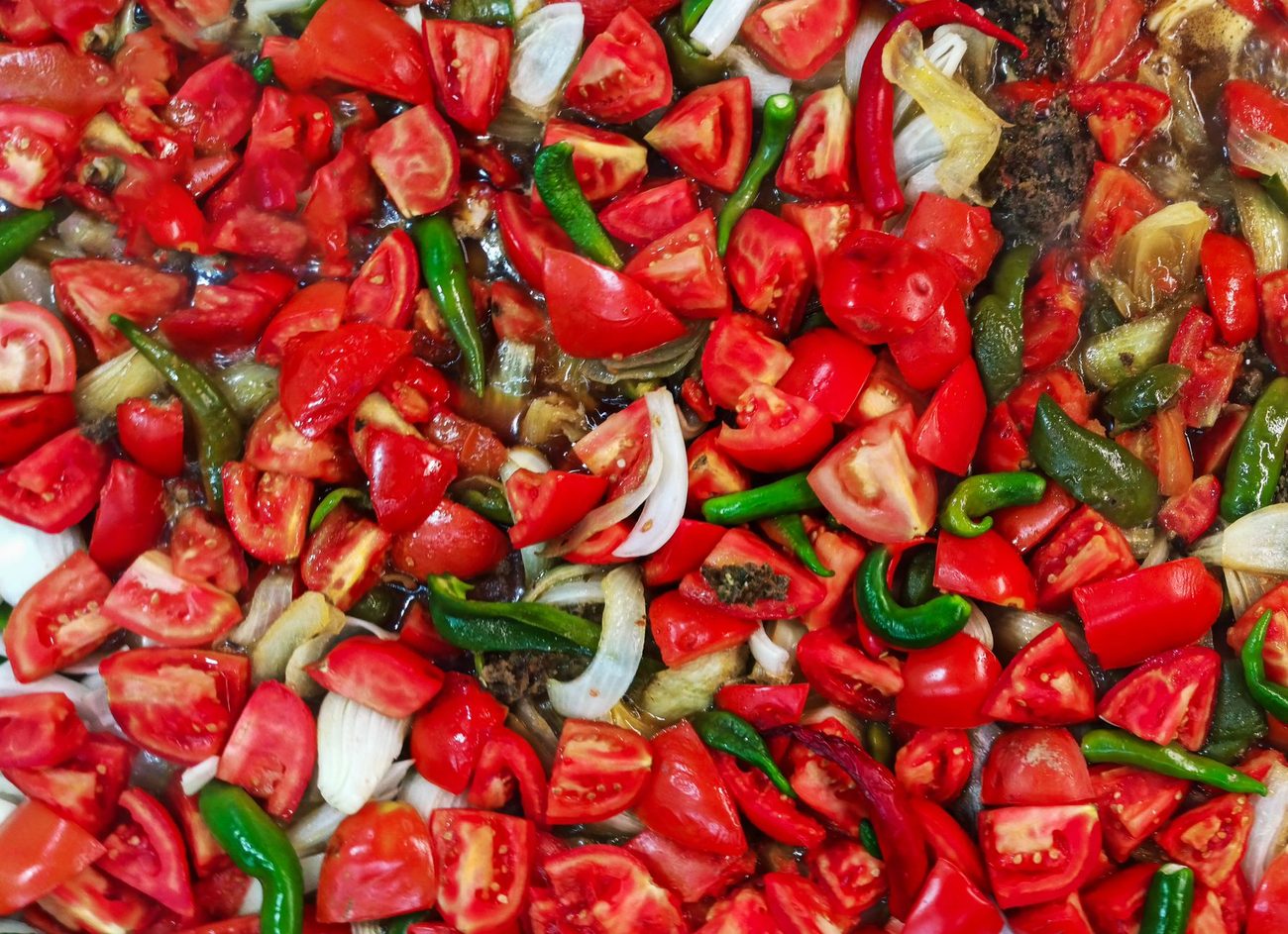
My mother's rule, now mine: rough-chop everything by hand first, then pulse in short bursts, in small batches, so it stays a little coarse. You should be able to see bits of pepper. It turned a deep pond green flecked with red-orange, which is the color I remember from her kitchen when I was Mateo's age. We did four batches and stirred them together in her biggest bowl, so every cube would taste the same.
Forty cubes
The whole batch filled three silicone ice cube trays, about two tablespoons per cube, 40 cubes in all. They froze overnight next to the roasted tomato sauce from August, then went into labeled freezer bags. One cube goes into a pot of beans or rice, two into a big stew. At the rate we cook, 40 should last until the next ají dulce harvest, if I'm careful and my mother doesn't need to borrow any.
Before she left, she asked whether I'd saved seed from last year's peppers. I had, back in September, and I showed her the envelope in the seed box. Those seeds go into the starting mix next Sunday, March 1, and for the first time I'll have a thermostat on the heat mat, which should mean they don't take most of a month to come up like last year.
She drove home with six cubes in a lunch cooler, which I'm told is the usual fee.