Ninety onions take about two hours to plant if nobody needs you. Yesterday they took three and a half, because Nate was installing rain barrels on the back downspouts twenty feet away and needed a second pair of hands roughly every eleven minutes.
From February flats to the east bed
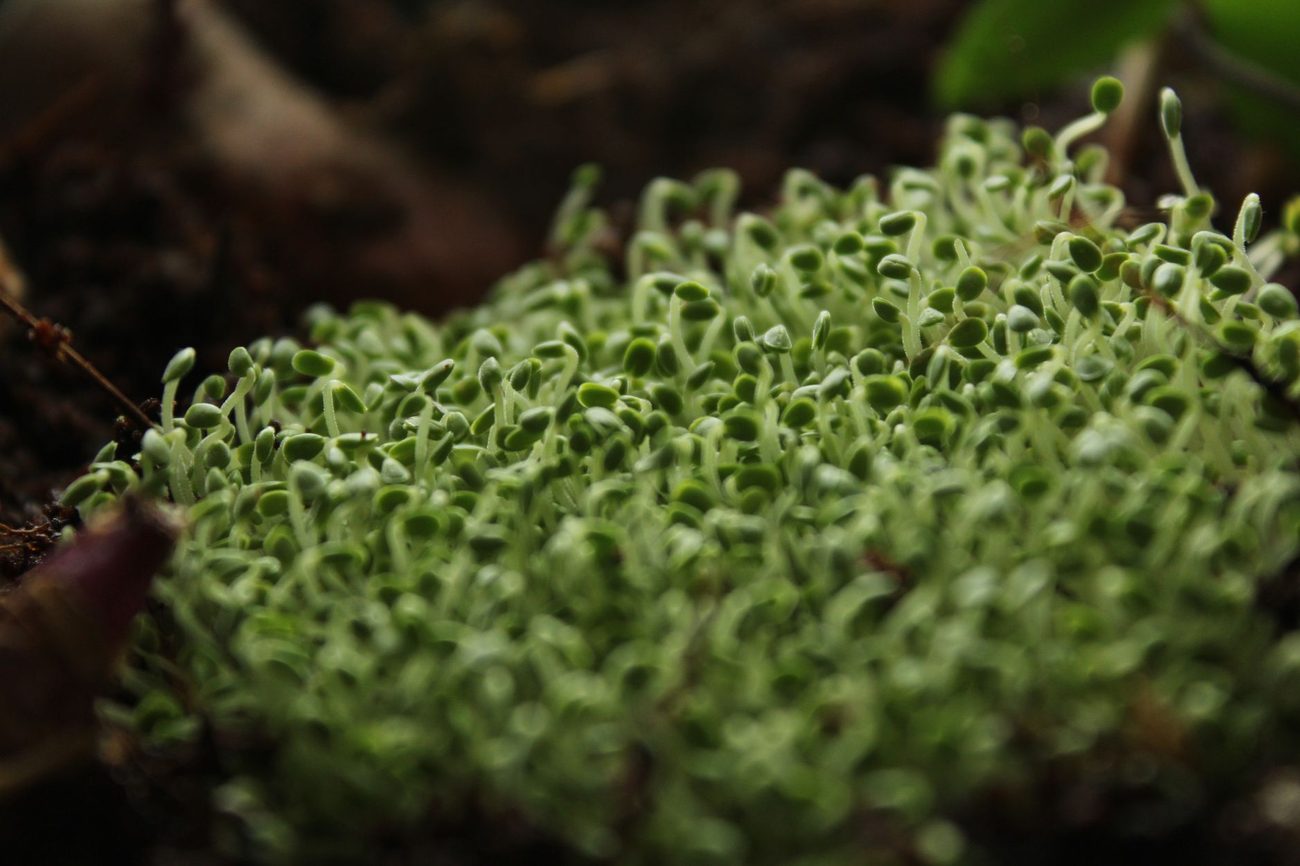
I sowed these onions on February 16, the first day of mid-winter recess, thick in flats under the basement lights alongside the leeks and the celery experiment. All spring they got haircuts. Whenever the tops flopped past five inches, I trimmed them back to about three with kitchen scissors, which keeps them stocky and makes the basement smell like a deli. Since spring break they've spent their days on the back steps and their nights inside, getting used to wind and real sun.
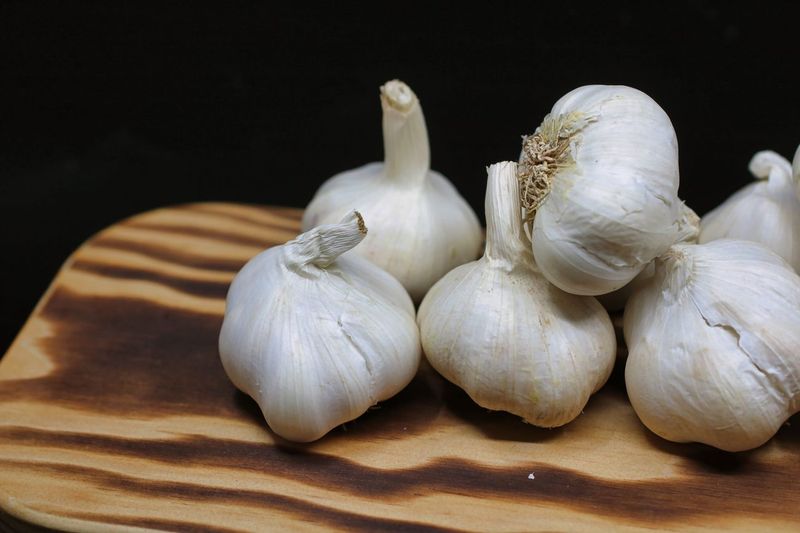
They went into the east bed, right beside the garlic. That bed held eight crowded tomatoes last summer, so this year it belongs to the onion family. The 'Music' garlic I planted in October fills one half, and now the onions fill the other. Forty-seven of the 48 garlic cloves came up, and they're about a foot tall, a cool gray-green that makes the new onion starts next to them look like blades of April grass. The tomatoes move over to the west bed this year.
Last year I planted 60 onions at the end of the west bed and they did fine, though they were gone from the pantry by January. Ninety is my first real try at enough storage onions and reds to carry us into winter.
How I trim and plant them
- Soak and separate. I set the whole flat in a dish tub of water for ten minutes, then lifted the clump out and teased the seedlings apart underwater. Wet roots slide apart instead of tearing.
- Trim. Tops cut back to about four inches, and any roots longer than an inch or so trimmed short, so they go into the hole straight instead of bending back up.
- Mark a grid. Nine rows of ten, about four and a half inches apart each way. I laid a yardstick across the bed and poked holes with the handle end of my hori-hori, which sounds fussier than it is.
- Plant shallow. Each start goes in only as deep as it sat in the flat, about an inch. Onions build their bulbs at the surface, and burying them deep gets you small, stubborn bulbs.
- Water in. A slow pass with the galvanized can, then another an hour later.
The soil test came back last month with phosphorus very high and potassium high in this bed, so the onions got the thin layer of compost I forked in earlier this month and nothing else. Once they're standing up on their own, they'll get a thin layer of shredded leaves, kept back from the necks.
The mistake this year was in February, not yesterday. I sowed one flat far too thick, and its roots had knotted together like a macramé project gone wrong. Even with the soaking trick I snapped six or seven starts trying to pull them apart. Those went into tonight's scrambled eggs, so they weren't a total loss.
The late row of peas
The snap peas I sowed along the chain-link fence on March 28 came up well along most of the fence, except for the last six feet out by the back stockade fence. There I counted seven seedlings in a stretch that should have had thirty-something. We had a cold, wet week right after sowing, and I suspect the seed simply sat in soggy soil and rotted. A squirrel with a digging habit may have helped.
So this morning I resowed that stretch. With the soil warm now, I soaked the peas overnight in a cereal bowl, pushed them in about an inch deep against the wire, two inches apart, and watered them in. They'll run two or three weeks behind the main row, which isn't all bad. A late row stretches the picking into early July, and school lets out June 25, so Mateo will have peas to pick when he has nothing else to do. He has been informed. He was less excited than I was.
The leeks and the celery are still on the shelf. Where exactly they go is a question for next weekend, when the back steps are less crowded with barrel parts.
Next year: sow the onions thinner, and plant them on a weekend when Nate isn't holding a saw.