The Subaru sat noticeably lower on the drive home from Home Depot this morning. Ten bags of soil and compost will do that to a 2016 Forester with 128,000 miles on it, and I took every turn on the way home like I was carrying a wedding cake.
Every April our two raised beds and 30-some containers need feeding. Beds settle as compost and old roots break down, and potting mix in containers gets tired and compacted after a season. Last year I bought soil the lazy way, a bag here and a bag there all summer, and that line came to $188. This year I made one list and one trip.
The receipt
- 4 bags of Pro-Mix potting mix at $14.98 each: $59.92
- 5 bags of compost at $7.97 each: $39.85
- 1 bag of Espoma Tomato-tone: $14.99
- Mulch: free, from last fall's shredded leaves
Total: $114.76, or $115 in round numbers. With the $86.40 seed order, that puts the garden at about $201 of my $450 budget for the year, with the biggest growing months still ahead. I'm watching that number more closely than I'd like to admit.
Where it all goes
The five bags of compost are mostly for the raised beds. Nate built the two cedar beds in 2021, 4 by 8 feet and 11 inches tall, and they sink an inch or so every year. I spread the compost over the top, about an inch across both beds, and scratch it in lightly with a hand fork. I don't dig or turn the beds. Whatever compost is left goes into the old potting mix.
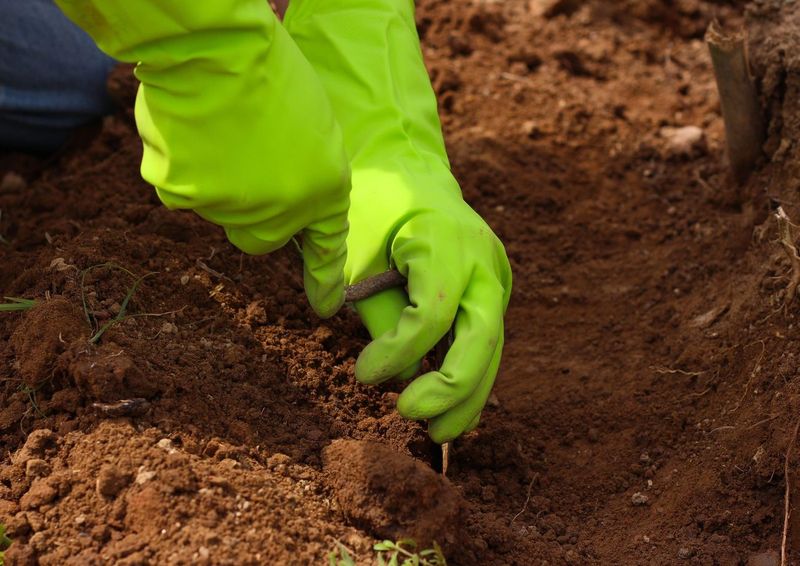
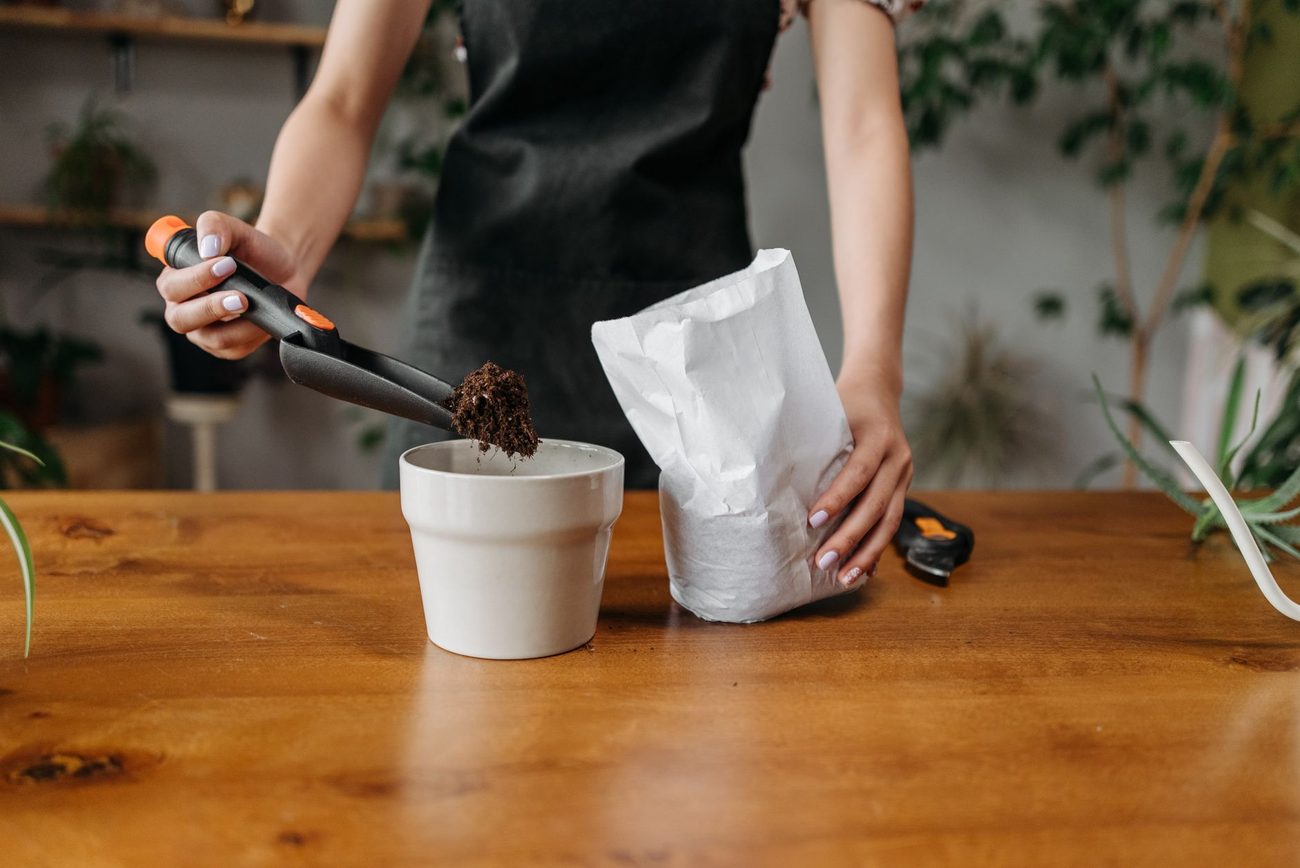
That old mix is where the savings are. Instead of dumping last year's containers and refilling them with new bags, I tip them out onto a tarp by the back steps, pull out the old root balls and break up the clumps with my hands. Then I mix in roughly one part compost to three parts old mix, plus a small handful of Tomato-tone per container. It isn't as fluffy as a new bag, but herbs and flowers don't seem to mind, and it costs next to nothing.
The fresh Pro-Mix goes only where it matters most: the four 5-gallon buckets that will hold cherry tomatoes on the porch, and the strawberry grow bags I'm setting up on the steps this spring. Tomatoes in buckets are hungry and thirsty, and I'd rather give them a clean start. A little fresh mix will also go into the tomato potting-up cups over spring break.
The mulch costs nothing. Last November Nate ran the mower over the fallen leaves, most of them from our silver maple, and we stuffed the shredded bits into bags along the side of the house. They've spent the winter breaking down, and now they get tucked around everything as it's planted. Shredded leaves keep the soil from crusting and drying out, and they cost us one Saturday afternoon and a sore back.
The mix I won't buy again
In 2023 I bought a bag of moisture-control potting mix for the seedlings. I'm sure it works fine for plenty of people. In our cool basement it stayed soggy for days, and within a month a cloud of fungus gnats rose off every tray whenever I watered. They got into the kitchen. They got into Pim's water bowl. It took the rest of that spring and a lot of letting things dry out to get rid of them. Ever since, I read every bag before it goes in the cart, and anything that promises to hold extra moisture stays on the shelf.
One honest gripe about this year's trip: one of the five compost bags was noticeably woodier than the others, with chunks of bark and a couple of sticks the length of a pencil. Bagged compost varies from pallet to pallet. I sifted the worst bits out through an old oven rack and moved on.
The rest was gorgeous, dark and crumbly, the color of strong coffee with no milk. I spent the afternoon with my sleeves pushed up and black under my fingernails, which is a look I'll be wearing to after-school garden club on Tuesday whether I like it or not.
Next year: buy the soil in March, when the pallets are full and the parking lot is empty.