Sal leaned on the chain-link with his coffee this morning and asked if I was planting peas or burying treasure. I was on my knees in the mud with a soil thermometer in one hand and a packet of 'Sugar Snap' in the other, so it was a fair question.
The thermometer said 42 degrees. Pea seed sprouts slowly in soil that cold, and seed that sits too long in cold, wet ground can rot. But peas also hate heat, and around here the vines start to give up by the end of June when the humidity settles in. Every week I wait in spring is a week I lose at the other end. So at 42 degrees, with a dry forecast for the next few days, the peas went in.
The best free trellis we own
The chain-link fence runs about 36 feet along the north side of our backyard, and we share it with Sal and Joanne Ferraro next door. Because it sits on the north edge of the yard, the side facing us gets full sun all morning and into the early afternoon. It's about four feet tall, it's already there, and pea tendrils grab chain-link like the two were designed for each other. In the low morning light today, the whole fence looked like a line of silver diamonds.
We've grown peas on it since 2022. Last year a section of the top rail sagged right where the peas grow, and Nate fixed it with $68 in parts and a Saturday afternoon. That's the only money the fence has ever cost me, and the repair held through the winter. I checked the rail this morning before I started, which made Sal laugh. He was a mason for more than forty years, and he says I check things like a mason.
'Sugar Snap' vines grow taller than the fence, often five or six feet, so by June they reach the top and tumble over onto the Ferraros' side. Sal picks whatever hangs over. That's the arrangement, and nobody has ever written it down.
How I sow them
Along the base of the fence there's a strip of soil about a foot wide that I dug out of the lawn in 2022 and have topped with compost every spring since. This morning I pulled back the shredded leaf mulch, loosened the top few inches with the hori-hori and scratched in a little compost.
The peas went in as two staggered rows about three inches apart, an inch deep, with roughly three inches between seeds, along 16 feet of fence. That came to about 130 seeds, most of one packet. The other 20 feet of fence wait for cucumbers and, once the peas come out, a single butternut squash vine that I'll train up the same chain-link.
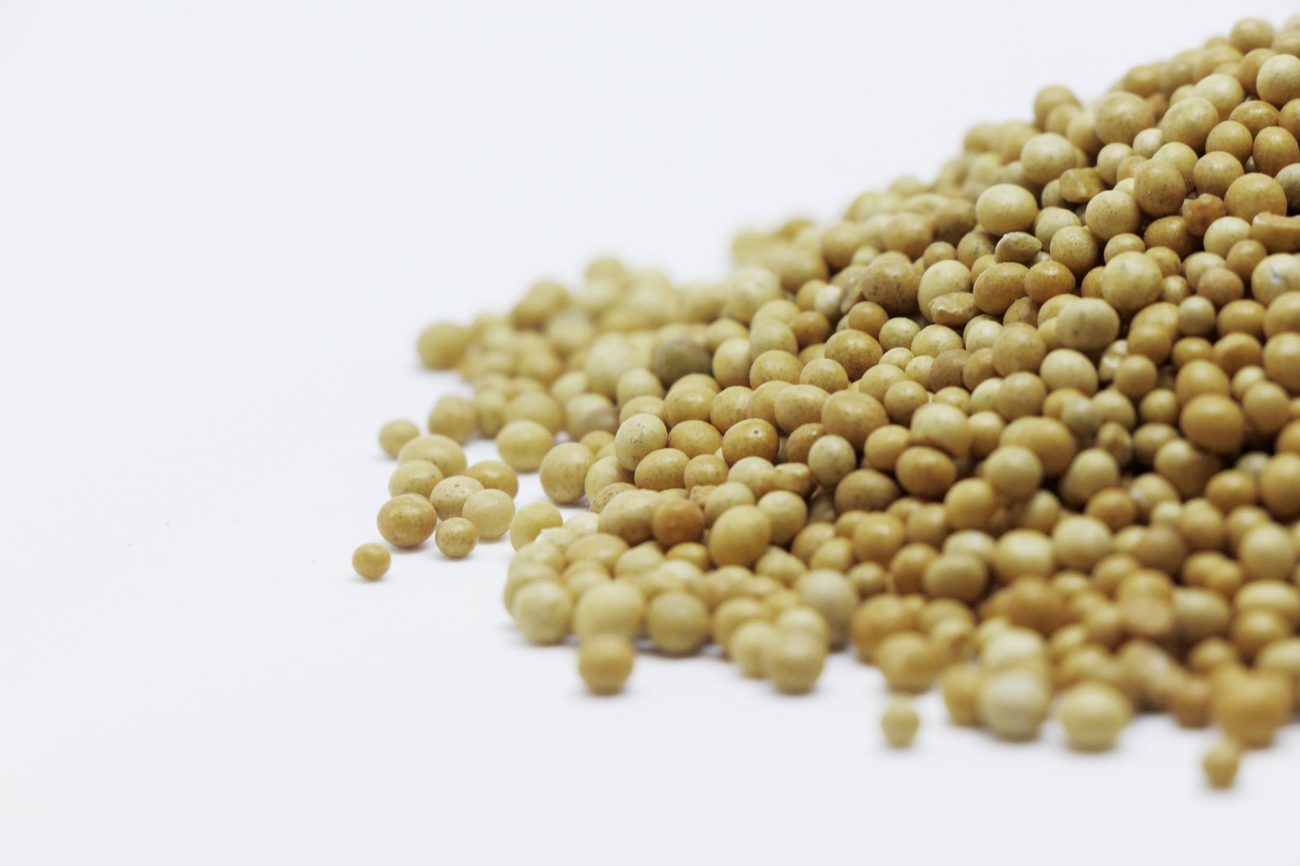
I don't soak pea seed anymore. I used to, overnight, because I'd read it speeds things up. In cold soil, my soaked peas seemed to rot more often than dry ones, so now they go in dry and I wait. Dry, they're wrinkled and pale green-gray, like a handful of tiny brains, which is exactly how Mateo described them when he was six.
After sowing, I laid a strip of old chicken wire flat over the row and weighted the ends with bricks. The squirrels around here dig up anything freshly planted, and the wire comes off once the shoots are a couple of inches tall.
A lesson from a late year
One spring I waited until mid-April because I didn't trust the cold. The peas came up fast in the warm soil and looked great, and then a hot spell in early June cooked them before they'd really gotten going. We picked maybe a pound and a half all season. Since then I've gone early and accepted that germination might take two or three weeks instead of one.
Around mid-June, if this works, Mateo will be on pea duty, which mostly means he eats them standing at the fence and brings in whatever survives the trip. I count the ones that reach the kitchen scale. The ones that don't are half the reason we grow them.
Before he went back inside, Sal told me his father always planted fava beans on Saint Joseph's Day, March 19, back in Calabria. That was ten days ago. I'm counting it as close enough.